

A Gold Coast holiday-let manager forwards a photo of a dryer that has been throwing lint for three weeks and asks, in the same thread, whether you can clear the vent before the next guest check-in on Friday. That is not a brand awareness moment. It is a high-intent job sitting one tap away from a form, a click-to-call button, or a bounce back to the next listing in Google Maps.
Australian dryer vent cleaning businesses live on those moments: strata managers chasing fire-risk compliance, landlords cleaning between tenants, homeowners who finally noticed the machine running hot, facilities teams with a short window after hours. Paid search, organic maps, and referrals all dump people onto a page that has to do one job: turn urgency into a booked clean, not a brochure scroll.
This piece is a self-audit for that page. Score the leaks, prioritise fixes, and leave with a 30-day plan you can run without waiting for a redesign fantasy. We stay on web and landing page design for dryer vent cleaning in Australia, not a general SEO or ads lecture.
Why dryer vent buyers bounce before they book in Australia
Search intent for dryer vent and dryer duct cleaning is usually late-stage. Someone has already smelled burning lint, failed a strata inspection, or been told the dryer is a fire risk. They compare two or three local operators, check for proof that you actually do vents (not only full HVAC duct cleans), then decide who looks safe enough to let into a unit or plant room.
Where jobs die is rarely the keyword. It is the page. A homepage that lists “all plumbing and air services” forces them to hunt. A hero that says “trusted professionals since 1998” without a photo of a clogged lint trap, a before/after of a vent run, or a clear service area (Sydney metro, SE Queensland, Perth hills) feels interchangeable. Mobile visitors still drive most paid search clicks, yet many trade pages still ship multi-megabyte galleries, sticky chat widgets stacked on top of the phone bar, and forms that ask for ABN, strata plan number, and preferred technician before they have even confirmed you cover their suburb.
Speed compounds the problem. According to the 2024 Web Almanac, fewer than half of origins pass all three Core Web Vitals on mobile. If your Largest Contentful Paint drags past a few seconds on a mid-range Android, the person who was ready to book on their lunch break is already back in Maps. Conversion rates on mobile still lag desktop hard when the page is heavy, so paid traffic that looks “cheap” on CPC quietly becomes expensive on cost per booked job.
Response and tracking sit next to design. A form that lands in a shared inbox at 6 p.m. with no SMS alert loses to the tradie who answers the call from the truck. Call tracking that never tags the landing page URL means you cannot tell whether the “dryer vent cleaning Brisbane” page or the generic duct-cleaning homepage is carrying the week. None of that is abstract CRO theory. It is empty slots on the roster while competitors with a thinner brand but a clearer page take the work.
If your ads or SEO already send dryer vent traffic and the diary still has holes, start with the page, not another campaign. A focused rebuild under solid web and landing page design usually beats another month of sending high-intent clicks to a catch-all homepage.
Score your dryer vent landing page: conversion checklist
Run this as an audit, not a vibe check. Open your main dryer vent URL (or the URL behind your top ads) on a phone, on cellular data, and mark each item honestly. Anything under a clear pass is a leak.
Audit scorecard
-
One job, one offer above the fold
The first screen must say dryer vent / dryer duct cleaning in plain English, name the geography (e.g. Melbourne inner north and bayside, Adelaide metro), and state the next step: book inspection, request quote, or call now. If the hero is “complete home air solutions” with six service pills, fail this item. Match ad or Maps query language to the H1 so the visitor does not feel bait-and-switched.
-
Proof that shows lint, risk, and a real tech
Include at least one before/after of a clogged vent, a short note on fire risk or reduced drying time in homeowner language, and a photo of your team in PPE on a real job (not stock). Strata and property managers scan for insurance, licence, and whether you work after hours or weekends. Reviews that only say “great service” without mentioning vents are weak; pull three that name dryer, lint, or strata if you have them.
-
Mobile speed and Core Web Vitals
Compress hero images, kill auto-play video above the fold, defer non-critical scripts, and keep the primary CTA visible without fighting a cookie wall. Check field data, not only lab scores. If LCP or INP is poor on mobile, fix media and third-party tags before you rewrite copy. A fast average page that fails on the dryer vent URL still fails the audit.
-
Form friction vs call path
Offer click-to-call with a local or clearly Australian number and a short form: name, mobile, suburb or postcode, property type (house / unit / commercial), and optional photo upload. Drop ABN, company size, and “how did you hear about us” until after the job is booked. For end-of-lease and holiday-let traffic, add a one-line note on turnaround windows so managers know you understand their calendar.
-
Trust and response promise
State when someone replies (e.g. we aim to call back within 30 minutes in business hours) and what happens after hours. Show public liability or relevant trade credentials where accurate. If you serve strata, say so in one sentence. Vague “24/7” claims without a real after-hours path erode trust faster than a honest next-business-day line.
-
Message match from ads and landing pages
Maps If Google Ads or Meta points at this URL, the first 100 words must echo the ad’s promise (vent clean, lint removal, dryer fire risk check). Separate landing pages beat dumping every service into one URL. Organic blog or service-tree traffic still needs a dedicated dryer vent path so internal links do not dump people on a generic duct page.
-
Tracking that ties to a truck day
Unique call tracking numbers or dynamic number insertion on the page, form submit events in GA4, and UTM discipline on paid links. The goal is cost per booked job and jobs per week from this URL, not vanity form fills. If sales or the office cannot tell which page produced Tuesday’s four cleans, the measurement layer fails even if the design looks fine.
-
Behaviour proof, not guesswork
Session recordings and heatmaps should show whether people rage-click the phone button, abandon at the photo upload, or never reach the form because the fold is cluttered. Pair that with scroll depth on proof sections. If you only argue from opinions in a team chat, you will “improve” the wrong block.
Score each item pass / partial / fail. Three or more fails on items 1-4 usually explain soft conversion rates even when traffic looks healthy. When you need niche context for how dryer vent operators win work across channels, keep this page audit primary and use broader Dryer Vent Cleaning marketing only as the wider program frame.
Get a free marketing audit - we review your search, ads, and landing pages and send back what to fix first.
Get a free audit

Rebuild the page so high-intent traffic becomes booked cleans
Once the scorecard is marked, fix in order of revenue risk, not design preference. Message match and CTA clarity first, then speed, then proof depth, then form length, then polish. Owners often reverse that order and ship a prettier page that still hides the phone number.
Action checklist
- Clone a dedicated dryer vent URL. Do not edit the mega-homepage live. Keep paid and organic tests on the clone until conversion holds for two weeks.
- Write the H1 and subhead for the person with a hot dryer or a strata deadline. Name suburbs or regions you actually cover. Add primary CTA: Call and secondary: Get a quote in under 60 seconds.
- Place a short process strip: inspect access, brush and vacuum the run, check exterior termination, photo summary optional. Property managers buy process clarity.
- Add three proof modules: lint before/after, review quotes that mention vents, and credentials or insurance line. Keep file sizes tight.
- Rebuild the form to five fields max plus optional image. Enable click-to-call sticky on mobile without covering the submit button.
- Strip third-party scripts you do not need for conversion. Re-test LCP on a mid phone. Aim for a page that feels instant on 4G in a car park.
- Wire GA4 events for form start, form success, and click-to-call. Pass UTMs. Label the page clearly in reports as dryer-vent-lp.
- Turn on session insight for a fortnight. Watch ten sessions from mobile paid traffic and note the first rage or dead-end. Fix that one issue before you A/B button colours.
- Align office response: SMS or call within your stated window. A fast page with a four-hour callback still loses the job in competitive metros.
- Only then expand sections (FAQ on pricing ranges, multi-unit packs, commercial after-hours). Expansion after the core converts, not before.
Free tools - try these yourself
Behaviour data closes the loop. HeyLead Insights (session recording, heatmaps, scroll and form abandon patterns) shows where dryer vent visitors stall: a gallery that never loads, a “request a callback” button that does nothing on iOS, a price FAQ that sits below a dead zone nobody reaches. One natural read of ten sessions beats another round of copy opinions. When you want the wider measurement stack tied to the same work, the AU analytics path sits next to the page build, not instead of it.
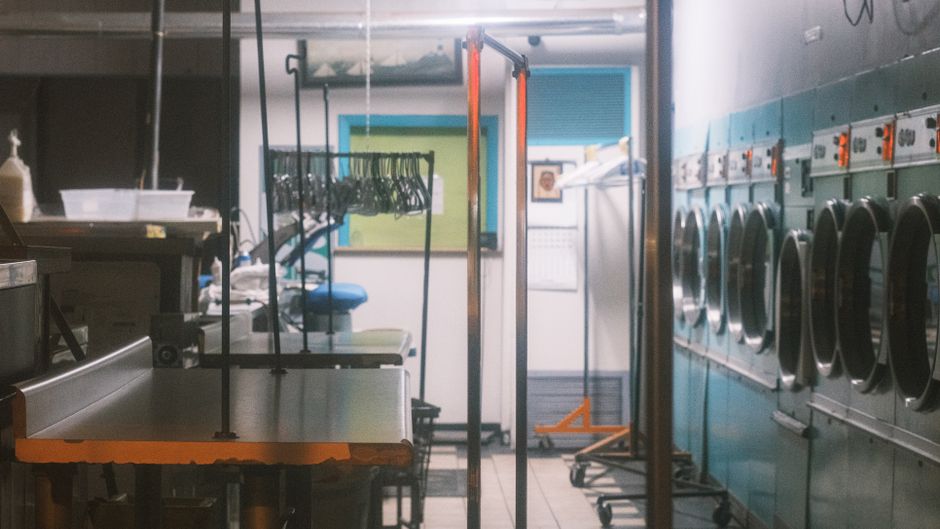
Industry context still matters: paid channels can look healthy on ROAS averages in broad 2026 benchmarks while a single misaligned landing page burns 20-30% of SEM budget on irrelevant or poorly matched journeys. Your fix is not “more traffic.” It is a page that survives the first five seconds on a phone in a laundry.
Two Australian page fixes that changed booked jobs, not bounce rate
A Brisbane operator was spending on search for dryer vent and lint removal while the ad landed on a full duct-cleaning homepage. Forms came in for commercial HVAC quotes the crew could not staff that week. They spun a single-purpose page: vent-only offer, three lint photos, suburb list for northside and bayside, five-field form, click-to-call. Call tracking was tied to that URL only. Within roughly 11 days the office could see which enquiries were true vent jobs. In a pattern we see repeatedly with Brisbane operators, form-to-booked-clean rate on that path moved from roughly 3% to 14% once callbacks hit under 20 minutes. The mechanism was message match plus response speed, not a new brand film.
In Perth, a smaller team had decent desktop conversion and terrible mobile. Heatmaps showed the sticky chat overlapping the call button, and recordings showed people tapping the number that was plain text, not a tel link. They fixed the tel: link, lifted the call button, compressed a 2.4 MB hero to a fraction of the weight, and cut the form from nine fields to four. Mobile booked jobs stopped lagging as a pure “traffic quality” story and started tracking with desktop. One concrete UI failure had been labelled as “Perth leads are flaky” for months.
Neither story needed a 40-page website. Both needed a dryer vent landing page treated as a product: clear offer, proof, speed, short path to a human, and numbers that map to truck days. Here is how operators typically describe it: they keep blaming ad CPCs or “flaky” leads until a recording shows a nine-field strata form or a chat widget covering the call button-then the same spend starts filling Friday slots once friction and speed-to-lead are fixed.
FAQs
Do I need a separate dryer vent or duct cleaning page if I already have a duct cleaning service page?
Yes if dryer vent queries and ads are material to revenue. A generic duct page trains the wrong expectation and attracts jobs you may not want. A dedicated URL keeps proof, pricing cues, and tracking clean.
What should I promise on response time without trapping the office?
Promise what you can staff. “We aim to return calls within 30 minutes in business hours” beats fake 24/7. Publish an after-hours rule if weekend holiday-let traffic matters in your market.
How long should the quote form be?
Enough to dispatch: name, mobile, location, property type, optional photo. Extra qualification can happen on the call. Long forms punish mobile users who already decided to hire someone today.
Where does GST and pricing belong?
If you publish from-prices, be clear they are indicative and GST-inclusive or exclusive per your normal quoting. Many operators keep firm AUD ranges off the page and use the call to scope access and run length. Clarity beats a fake fixed price that creates disputes on site.
When is the page “good enough” to scale ads?
When mobile can complete a call or form without rage taps, Core Web Vitals are not failing in the field, message match is obvious, and you can attribute booked jobs to the URL for a few weeks. Scaling spend onto a broken page only buys more expensive bounce.
Putting it to work
This week
-
Open your top dryer vent URL on a mid-range Android on cellular and mark the eight-point scorecard pass / partial / fail.
-
Run the page through the Core Web Vitals checker, H1 checker, and meta description checker; fix critical title/H1 mismatches the same day.
-
Make the phone number a working tel: link and move primary CTA above the fold on mobile.
-
Cut the live form to essential fields only; add suburb or postcode if you dispatch by zone.
-
Confirm form and click-to-call events fire in GA4; build UTMs with the UTM link builder for any paid tests.
-
Watch five real mobile sessions (via HeyLead Insights or your current recorder) and list the first friction point you see twice.
Next 30 days
-
Ship a dedicated dryer vent landing URL with proof modules and message-matched hero.
-
Re-point high-intent ads and key internal links to that URL only.
-
Hold a weekly 20-minute review: booked jobs from the page, speed-to-lead, and one UX fix from recordings.
-
Add strata or end-of-lease language only where it reflects real demand in your cities.
-
Retire or noindex thin duplicate service URLs that dilute the offer.
Pull last month’s enquiries and tag which ones came from a true dryer vent page versus a generic homepage; if you cannot tell, that measurement gap is your first repair. When you want the conversion leaks on landing pages for dryer vent cleaning in Australia owned end to end (proof, speed, forms, and behaviour insight on the page itself), HeyLead can run that web program with you so the diary reflects the traffic you already buy. Get in touch via heylead.com/au.
Free marketing audit, or reach Martin directly:
Get a free audit Chat with us on WhatsApp · martin@heylead.com