

A Melbourne shop owner checks Meta Ads Manager on a Sunday night and sees twenty-three Instant Form leads from the weekend. Monday morning the phone is quiet. Three people answer, two already booked a mobile detailer who messaged within the hour, and the rest never pick up. The CPL looked fine. The bay still sat empty.
That gap between a cheap Facebook or Instagram enquiry and a paid job is where a lot of Australian auto detailing marketing dies. Buyers swipe past ceramic coating reels between footy highlights and real estate listings. They are not typing “mobile car detailer near me” with a card in hand the way they do on Google. They are curious, price-sensitive, and gone in minutes if your proof, offer, and speed-to-lead are soft. This piece is about how detailing firms fixed Meta leads that never booked, without pretending social demand behaves like search.
When the lead count rises and the diary does not
Detailing is local, visual, and seasonal. End-of-lease cleans, wedding cars, boat and caravan prep before summer, and “the car looks tired after months of coastal salt” spikes show up hard in Sydney, Brisbane, Perth, and the Gold Coast. Meta is brilliant at catching that impulse. It is terrible at sorting serious bookers from tyre-kickers if you only optimise for form volume.
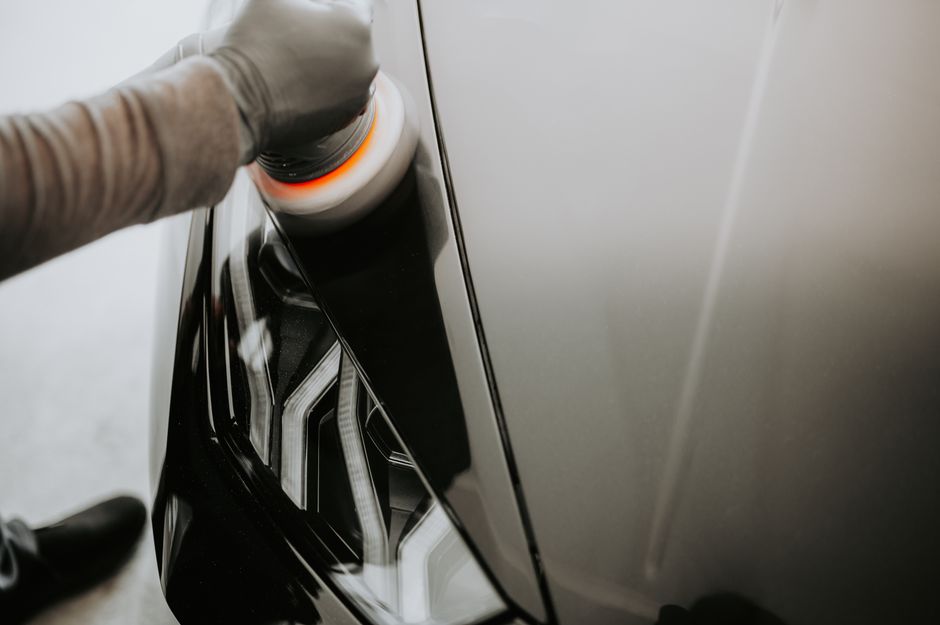
You will recognise the pattern. Creative shows a black SUV with a mirror finish. Caption promises “from $149” or “same-week mobile”. Instant Form asks for name, mobile, suburb, and vehicle type. Volume jumps. Your admin team spends the afternoon chasing people who wanted a free quote for a full PPF wrap on a budget hatch, or who thought “detail” meant a $40 vacuum at a drive-through. Meanwhile the high-margin ceramic and multi-stage correction work you need to cover bay wages never shows up in the CRM as booked.
Search traffic usually arrives with a job in mind. Meta traffic arrives with a feeling. That is why shops that treat every Meta lead like a Google “book now” call burn staff time and then cut the channel. The failure is rarely “Meta does not work for detailing in Australia”. It is mismatched creative, lazy form questions, a homepage that loads like a brochure from 2019, and a reply that lands six hours later when three competitors already WhatsApped a clear price band and available slot.
Tracking makes the story messier. In-platform cost per lead looks healthy while booked jobs tell a different tale. If you only optimise to Instant Form submits, Meta will happily find more people who like filling forms. Your unit economics need cost per booked detail, not cost per name. Until you close that loop, every creative test is guesswork dressed up as performance.
Creative is the targeting when buyers are still scrolling
A strong before/after reel does a job a lookalike audience cannot: it self-selects the aspirational car owner who already feels the chalky water spots, swirl marks under Bunnings fluorescents, or red dust on a white dual cab after a coastal long weekend. Viewers who do not own that problem scroll on; viewers who do lean in. That is the real targeting mechanism in broad and Advantage+ delivery for detailing-budget follows who stops on the hook, so the first two seconds must show the before state Australians recognise, then the after, the process in plain language, and a concrete next step.
Stop stacking tiny lookalike audiences the way shops did in 2020. Run fewer campaigns, broader delivery, and a real creative testing rhythm. Swap hooks, not just music. Test a 15-second process clip against a static before-after carousel. Test “mobile to your driveway in [suburb cluster]” against “in-bay ceramic packages with warranty paperwork”. Kill ads when CPM climbs and thumb-stop dies-our kill signal on UGC-style cuts is a 3-second view rate below 15%, often inside a week-instead of waiting for lead volume to collapse.
Lead quality starts in the form and the offer. Ask for vehicle make and year, service interest (wash and vac, cut and polish, ceramic, end of lease), preferred location (mobile vs shop), and suburb. Add a short qualifying line: “Jobs under $X mobile radius” or “Ceramic packages from $Y, includes decon wash”. You will get fewer leads. You will get more people your team can price without a twenty-minute education call.
Retargeting is where social pays rent. Website viewers, Instagram engagers, and video watchers who hit 50% should see proof of insurance, real bay photos, Google review snippets with star counts, and a simple booking path. Cold traffic can stay on Instant Forms if you answer fast. Warm traffic should land on a dedicated page that matches the ad promise, not your homepage carousel of every service you have ever offered. If you want a partner already deep in this channel for local service brands, HeyLead’s Meta Ads work is built around creative systems and booked-job economics, not vanity CPL.
Get a free marketing audit - we review your search, ads, and landing pages and send back what to fix first.
Get a free audit
Speed, proof, and the page after the tap
Australian detailing buyers compare two or three options on their phone between school drop-off and the next job site. If your first human reply is “Hi, thanks for enquiring, what service do you need?” you already lost. Best operators aim for under five minutes during trading hours, with a templated opener that restates the service, gives a realistic price band or site-visit fee, and offers two concrete time windows. After hours, an auto-reply that sets expectations and still captures vehicle photos via a link keeps the lead warm.
Instant Forms vs a landing page is not ideology. Use Instant Forms when your team can work the lead queue like a dispatch board. Use pages when the ticket is higher (full correction, multi-year ceramic, fleet) and you need proof, package tables, and GST-inclusive pricing clarity before someone spends staff time. Either way, match the ad. If the reel sold mobile end-of-lease cleans in AUD with same-week slots, the page should not open on a generic “About our passion for cars” block.
Post-click leaks are boring and expensive: slow mobile load, buried phone numbers, forms that ask for life history, no suburb service map, no real photos of your van or bay. Behaviour tools matter here. A short pass with HeyLead Insights style session recording and heatmaps shows where people stall on package tables, rage-tap a non-clickable price, or abandon when the form asks for a second email. Fix the friction you can see, not the friction you invent in a meeting.
Measurement should be simple enough that an owner trusts it on a Friday. Fire a primary conversion for qualified lead or booked job, not every form open. Pass offline bookings back when you can. Expect Meta’s reported ROAS to sit in a different universe from your bank account; Meta’s reported ROAS routinely overstates cash-in-the-door relative to search, especially with Instant Form optimisation, and that gap widens when your CRM never tells the ad account who actually paid. Weekly, compare spend to booked jobs and average job value by creative theme. That is the dashboard that decides whether the next thousand dollars in AUD goes to ceramic reels or gets paused.
For niche positioning and offer language that matches detailing buyers rather than generic auto services, pair the channel work with focused Auto Detailing marketing so creative, landing pages, and follow-up scripts stay aligned.

Patterns we see repeatedly across Australian shops
Across mobile and in-bay detailing shops in markets like Sydney, Brisbane, and the Gold Coast, the same mechanisms show up when Meta lead volume rises and the diary does not.
Mobile operators with Instant Forms and thin qualification. High-volume “mobile detail from $…” forms that never ask vehicle size or service type dump dual cabs, city runabouts, and full PPF tyre-kickers into one queue. Booking rates stay weak until the form captures vehicle class, service tier, and a photo upload link; a tight SMS first-touch SLA with two slot options replaces open-ended chasing; and the cheapest wash-only hooks get paused. Lead volume often falls. Booked mobile jobs tend to climb because the diary stops filling with unpriceable chats.
In-bay studios sending ceramic traffic to a generic homepage. Ads promise coating packages; the page opens on old logo sliders and a buried contact form. People bounce and Meta optimises toward cheap clicks. What works instead: one landing page per offer, GST-inclusive package bands, recent job photos on the car model families you actually want, and a click-to-call sticky bar on mobile-with Instant Forms kept mainly for retargeting video viewers. The mechanism that matters is message match and one primary CTA, not a new audience taxonomy.
Seasonal mobile shops (end-of-lease and similar spikes) that scale a fatiguing “winner”. Creative fatigue can hit inside a week; CPMs creep up while lead counts look stable and booked jobs fall off later. A simple creative ladder-several hooks in market at once, kill rules when frequency and CPM move together, retargeting with proof assets like bond-back checklists and time-stamped before-afters-plus uploading booked-job events from the scheduling tool instead of optimising only to leads stops spend chasing form fillers who ghost after a free quote.
-
Map every Meta lead source to booked job and revenue in one sheet for 30 days.
-
Rewrite forms and first-reply templates around service, vehicle, suburb, and two time options.
-
Split cold creative tests from retargeting proof; do not make one ad do both jobs.
-
Give higher-ticket offers a dedicated page and watch session behaviour where the form dies.
DIY free tools for this playbook
Run these on the pages and campaigns this article covers, then fix what they flag before you scale spend.
If you cannot close the leaks in-house, request a free marketing audit.
Free tools
DIY free tools for this playbook
Run these on the pages and campaigns this article covers, then fix what they flag before you scale spend or content volume.
Run these on this playbook
If the checklist shows a leak you cannot close in-house, request a free marketing audit.
Frequently asked questions
Are Meta Ads worth it if Google already brings high-intent detailing searches?
Yes, if you measure booked jobs and use Meta for demand you will not see in search: impulse mobile cleans, visual ceramic education, and retargeting people who watched your process but did not enquire. Search often closes warmer intent. Meta fills the top and middle if creative and speed-to-lead are tight. Many AU shops run both and assign budget by cost per booked job, not by which dashboard looks prettier.
Should we use Instant Forms or a website form for auto detailing?
Use Instant Forms when your team can respond in minutes and the offer is straightforward mobile or entry packages. Use a dedicated landing page when you need package proof, warranty language, and higher ticket education. Plenty of firms run Instant Forms cold and pages for retargeting. The wrong choice is sending every ad to a slow homepage.
How fast do we need to reply to Facebook and Instagram leads?
Treat trading hours like a dispatch queue. Under five minutes is the bar serious shops aim for. After hours, an honest auto-reply plus a morning callback block beats silence. Detailing buyers multi-quote. Speed is part of the product.
Why does Meta show cheap leads while our bays stay open?
Usually you optimised to the wrong event, asked too little on the form, replied too late, or mismatched the landing experience. Creative can also attract entertainment scrollers who love before-after content but never intended to pay for a full detail. Fix qualification and offline feedback before you blame the algorithm alone.
What budget makes sense to test Meta for a single-location detailer in Australia?
If your average booked job is $250-$400, you need enough spend to generate roughly 20-30 bookings to read performance-call it $3,000-$5,000 AUD over about 6 weeks with clean conversion tracking and at least a few creative variants so you can exit learning with usable signals. That is a starting test budget, not a permanent floor. If you cannot staff replies, pause paid social until operations can catch the leads. Cheap clicks into an empty inbox are not a bargain.
Putting it to work
Execution sprint
This week
- Pull 30-90 days of performance for how auto detailing firms (Search Console, ads, CRM, or call logs - whatever you have).
- Flag the top leak: wrong intent, weak page, slow response, or dirty conversion tracking.
- Ship one fix on the highest-traffic money path (page, campaign split, or response rule).
- Run the free tools below on that same URL or account and log the findings.
Free tools for this sprint
Next 30 days
- Expand the fix to the next one or two money paths only after the first one shows cleaner bookings.
- Align creative, keywords, or content with the same offer the page now states.
- Review booked outcomes weekly; cut anything that still only produces unqualified volume.
Pull the last 30 to 45 days of Meta leads and mark each one booked, quoted-and-lost, or no contact. Note time-to-first-reply and which creative or form produced the row. You will usually find one broken mechanism, slow follow-up, weak qualification, or a page that does not match the ad, not a mysterious algorithm tax.
When you want that loop owned end to end, from hooks and Instant Form design through landing proof, reply discipline, and booked-job feedback into the ad account, HeyLead can run the Meta program so your team spends time in the bay instead of chasing ghosts in Ads Manager. Request a free marketing audit, or email Martin directly at martin@heylead.com.
Free marketing audit, or reach Martin directly:
Get a free audit Connect on WhatsApp · martin@heylead.com