
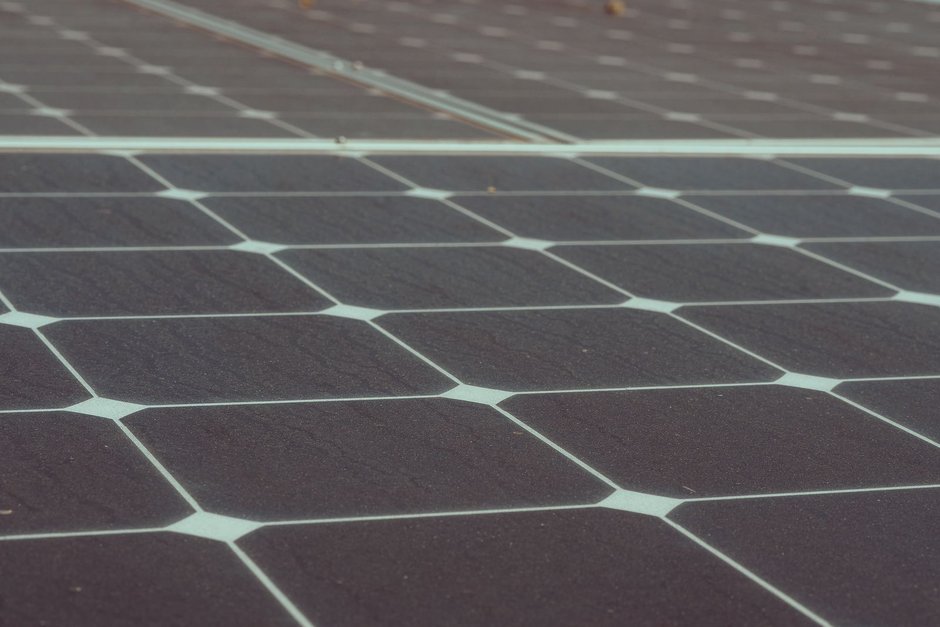
Most solar panel washing websites in Australia have one generic “Solar Panel Cleaning” page. Homeowners don’t search that way. They search for the mess on their roof: pigeon droppings, bushfire ash, or a salty film that won’t come off after a summer by the beach.
If your site only talks about “cleaning”, you miss the searches from people who already know what’s wrong and want it fixed. These are some of the best leads you can get. The owner has looked at the roof or the inverter app, knows the panels need attention and is ready to ring for a quote.
This post shows you how to build pages around those three problems, step by step, so Google and the people searching can see you handle that exact job in their suburb.
How people search for solar panel washing when something is on the panels
A homeowner rarely types “photovoltaic maintenance”. They type what they see or what worries them. Some typical searches look like this:
- “bird poo on solar panels”
- “how to clean ash off solar panels”
- “salt build up solar panels Gold Coast”
- “pigeons nesting under solar panels”
- “solar panels not producing as much”
Each of these is a different person with a different worry. The ash searcher may have just had smoke haze roll through. The salt searcher lives within reach of sea spray and has noticed a dull film. The bird searcher is often more annoyed about the noise and mess under the panels than about output.
When one generic page tries to cover all of them, it ends up answering none of them well. Google tends to reward the page that matches the problem in the search. So does the homeowner, who will click the result that names their exact issue and their area.
Three jobs, three different pages
Treat bird droppings, ash and coastal salt as separate services, even if your crew uses similar gear for all three. The page is there to answer the customer’s question, not to describe your equipment.
Bird droppings
Droppings sit in patches, bake on in the sun and can shade individual cells. Owners want to know if it’s safe to hose off, whether it will damage the glass, and how to stop it coming back. That last question is your link to bird proofing, which we cover below.
Bushfire ash and smoke residue
Ash lands as a fine layer that can turn into a smear when it rains lightly. People searching this are often anxious and searching right after a fire event or haze period. Your page should explain how you remove ash without scratching, and when it makes sense to book versus wait for a proper rain.
Coastal salt
Salt builds up slowly as a crusty, hazy film that a light shower doesn’t shift. Coastal owners often don’t realize it’s there until they compare their output to a neighbor’s system or notice the glass looks cloudy. A salt page should name the coastal suburbs you service and explain why regular washing matters close to the water.
Step by step: build your problem pages this week
This is the core of the work. You or your web person can do most of it in a few sessions.
-
List your real jobs from the past year. Go through your quotes, texts and invoices. Tag each job as birds, ash, salt, general dust or other. You want proof of which problems you actually handle, and which suburbs they come from.
-
Pick one problem to start with. Choose the one that brings in the most jobs or the best-paying ones. Coastal businesses often start with salt. Businesses near bushland may start with ash. Don’t try to launch all three on the same day.
-
Create a dedicated page with a plain, specific address. For example, yoursite.com.au/solar-panel-cleaning/bird-droppings/. Write the title tag and H1 in the words customers use, such as “Bird Dropping Removal From Solar Panels in [Your Region]”.
-
Open the page by answering the owner’s main question. First paragraph: what the problem does to panels, and that you remove it safely. Second paragraph: the suburbs you cover. Leave the company history for later.
-
Explain your method in plain language. Say what water you use (for example purified water if that is what you run), what brushes, and what you avoid, such as high-pressure jets on the glass or harsh chemicals. Keep it to what you genuinely do. Owners worry about damage and warranty, so tell them you follow the panel maker’s cleaning guidance.
-
Add before-and-after photos from your own jobs. Use real photos with descriptive file names like “salt-film-solar-panels-before-wash-coolangatta.jpg” and matching alt text. Stock photos do nothing to show you’ve done the job.
-
Make contacting you dead simple. Put a tap-to-call button and an SMS or quote form near the top, and again at the bottom. Ask for suburb, roof type, number of panels and a photo if they have one. That lets you quote faster and qualify the job before you drive out.
-
Add an FAQ block and mark it up. Use real questions from customers. You can generate the code with our free FAQ schema generator and paste it into the page.
-
Link the new page from your main service page and your homepage. Use clear anchor text such as “bird dropping removal” rather than “click here”. Then link back from the problem page to your general service page.
-
Mirror the service in your Google Business Profile. Add each problem as a service with a short description, post your before-and-after photos and write a Google post about the issue when it’s topical, such as after a smoke haze event.
-
Ask recent customers for reviews that mention the problem. A review saying “they got all the salt off our panels in Kingscliff” helps both the customer reading it and your local relevance. Send a direct link made with our free Google review link generator by SMS the same day you finish.
-
Repeat for the next problem in two to four weeks. Use what you learned. Check which searches the first page shows up for in Google Search Console and work those words into your next page.
If you’d rather have this built for you, our SEO for solar panel cleaning businesses service covers problem pages, suburb pages and your Google Business Profile together.
Answering cost and output questions without guessing
Two questions come up on almost every one of these pages: what it costs, and whether it actually makes a difference.
Solar panel cleaning cost
People search “solar panel cleaning cost” before they ever call. If your page says nothing, they bounce to one that does. You don’t need to publish a fixed price, but you should explain what changes the quote:
- Number of panels and system layout
- Roof height, pitch and access (single story vs double story, tile vs tin)
- How heavy the buildup is (a light dust is different from baked-on droppings)
- Whether bird proofing is added to the same visit
- Distance from your base
Then give a clear next step: “Send us a photo of your roof and your suburb and we’ll text back a quote.” That turns a price-shopper into an inquiry.
Solar output drop from dirty panels
People search “solar output drop dirty panels” because they’ve noticed lower numbers on their inverter or monitoring app. Be honest here. Don’t promise a set gain. Explain that heavy patches like droppings can shade cells and pull down what the panel produces, that a film of salt or ash cuts the light reaching the cells, and that the best way to know is to compare their own monitoring data before and after a clean.
Suggest they screenshot their app on a sunny day before the visit and again on a similar day after. It builds trust, and it gives you something real to talk about when you follow up for a review.
Turning bird proofing solar panels into its own search win
Bird proofing solar panels is often a separate search from cleaning. The person typing it is dealing with nesting, noise and mess under the array. If you install mesh or guards, give it a page of its own and link it from your bird droppings page.
On that page, explain:
- What you install and how it attaches without drilling into the panels
- How it keeps birds from nesting underneath while still allowing airflow
- That you clean out nesting material and droppings before fitting it
- What the finished job looks like, with your own photos
This also lifts the value of each job. A customer who finds your droppings page and reads about proofing may book both in one visit. Mention it in your quote replies too: “We can clean and proof in the same trip.”
Don’t make claims about which bird species you can or can’t move on unless you are sure of the rules in your state. Stick to the work you do.
Making the pages show up locally
Problem pages work best when they are clearly tied to the places you service. A few things to keep tight:
- Consistent business details. Your name, address and phone number should match across your site, Google Business Profile and directories like hipages or Oneflare if you use them.
- Real suburb mentions. Name the coastal strips, hinterland areas or bushfire-prone suburbs where you actually do these jobs. Don’t stuff in suburb lists you never visit.
- LocalBusiness schema. Add structured data so Google can read your trade, service area and contact details. Our local SEO service handles this along with suburb targeting if you’d rather not touch code.
- Speed on mobile. Most of these searches happen on a phone, often standing in the backyard looking up at the roof. If the page is slow to load or the call button is hard to find, they’ll call someone else.
Frequently asked questions
Should I make one page per problem or one page per suburb? Start with one page per problem, then mention the suburbs where it’s common on that page. Once a problem page is pulling inquiries, you can add a suburb-specific version for the areas that bring the most jobs, such as a salt page for a particular coastal strip.
Is it worth writing an ash page if bushfires only happen some years? Yes. Publish it before the season and keep it live. When smoke or ash does hit, people search straight away, and a page that is already indexed and has reviews behind it is far more likely to show than one you rush out that week.
Can I put my prices on the bird droppings or salt page? You can, but many owners prefer to explain what changes the price and invite a photo for a quick quote. Either way, the page should address cost directly, because people searching for solar panel cleaning cost will leave a page that ignores it.
Will these pages hurt my main solar panel cleaning page? Not if each page targets a different problem and they link to each other. Your main page stays the general overview, and the problem pages catch the more specific searches. Just avoid copying the same text across them.
What photos should I use for the salt and ash pages? Use your own close-ups of the film or residue before washing, then the same panels after. Shoot them in good light, name the files with the problem and suburb, and add plain alt text describing what’s in the picture.
Do I need to mention panel warranties on these pages? It helps to say you follow the manufacturer’s cleaning guidance and avoid methods that could damage the glass or coating. Owners searching about droppings and salt often worry about this, and a plain answer makes them more comfortable booking.
Your next step
This week, go through your last batch of jobs, tag each one as birds, ash or salt, and write the first problem page for the one that comes up most. Add your own before-and-after photos and a tap-to-call button before you publish.
If you want a hand planning or building these pages, Chat with us on WhatsApp and we’ll talk it through with you.