
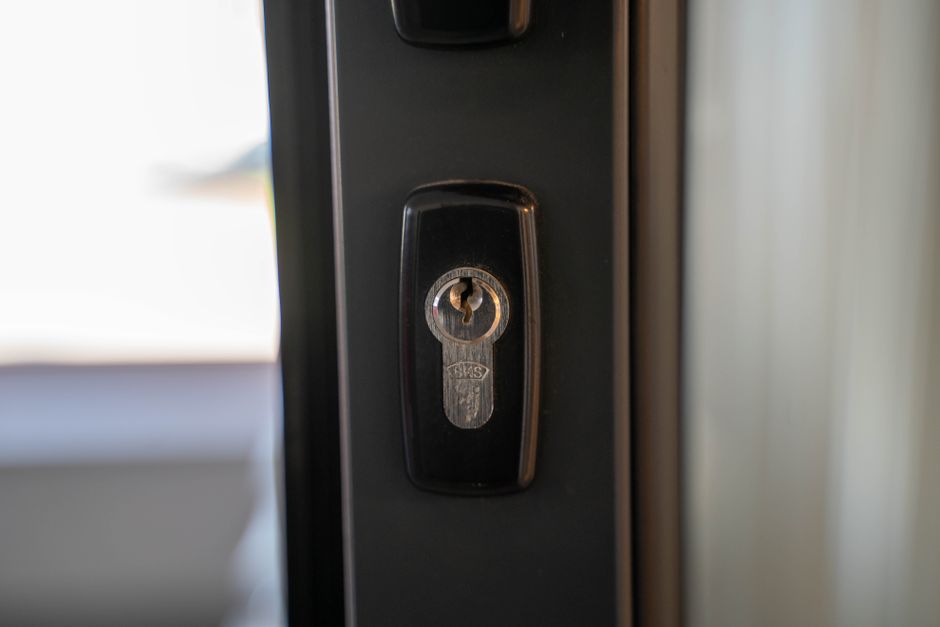
A strata manager in Adelaide emails three suppliers the morning after a forced entry on a ground-floor unit. A landlord in Perth wants hinged security doors fitted before the next end of lease walk-through. A couple in outer Brisbane needs diamond-grade screens that still pass the bushfire and cyclone chatter their builder left half-answered. None of them are browsing for inspiration. They want a measure, a quote that holds up, and a crew that can book a slot without three days of phone tag.
That is the organic demand pool for security doors and screens in Australia. SEO for security doors and screens Australia is not about ranking a brochure homepage for brand vanity. It is about showing up when intent is hot, proving you install the product they already have in mind, and turning the click into a booked survey. Paid can fill gaps. Organic is what keeps the diary from going quiet when CPCs climb and competitors buy every generic “security doors near me” term in Sydney and Melbourne.
This is a channel playbook for owners and marketing leads who need organic search to produce work, not charts.
What Australian buyers type when they are ready to fit, not window-shop
High-intent queries in this niche cluster around product type, compliance language, and location. People search “security screen doors Melbourne measure and quote”, “crimsafe style screens Brisbane installer”, “hinged security door strata approved”, “pet mesh security screens Perth”, and suburb-plus-product strings after an incident or a tenancy change. They also search brand-adjacent terms and “vs” comparisons when they already know the category and want a local fitter who will not push a cheap alternative that fails the next inspection.
A good organic week for a serious installer looks boring on the surface: fewer total sessions than a content site, more calls and form submits that name a suburb, a door type, and a preferred measure day. Vanity traffic from “home security ideas” pieces rarely books vans. Intent that books work usually carries a place name, a product class, or a job trigger (break-in, rental turnover, new build handover, flyscreen replacement that became a security upgrade).
Map those clusters before you write another blog post. Build service pages for hinged doors, sliding doors, window screens, and any specialty lines you actually install. Pair each with suburb or service-area pages only where you can honestly attend measures quickly. Thin suburb pages that recycle the same paragraph across twenty LGAs still get filtered or ignored. Entity signals matter too: consistent NAP, Google Business Profile categories that match doors and screens, project photos with real suburbs in the captions, and schema that names the service area without inventing awards you do not hold.
Track the queries that produce booked measures in Search Console and in your phone notes. If “cheap security doors” converts to tyre-kickers and “security doors installation [city]” converts to deposits, stop treating all rankings as equal. Organic success here is survey slots and signed installs, measured in AUD job value after GST conversations are clear, not impressions alone.
When organic sessions climb and the measure book still has holes
Plenty of Australian door and screen businesses finally crack page one for a handful of terms and still wonder why Friday’s diary looks empty. The failure mode is rarely “SEO does not work”. It is misaligned intent, weak proof on the page, slow response, and no closed loop from click to job.
Homepages that try to sell every locksmith adjacent service bury the product the searcher asked for. Forms ask for life story before offering a measure. Photo galleries show warehouse stock instead of finished installs on brick veneer and weatherboard. Mobile pages stall on heavy sliders; fewer than half of origins pass all three Core Web Vitals on mobile according to recent CrUX snapshots, and installers with sluggish mobile templates quietly lose the handset traffic that drives most local enquiries. AI Overviews and zero-click behaviour mean you can gain visibility and still lose the click if the snippet does not scream local fitter with proof.
Response speed kills more organic leads than ranking drops. A measure request at 7pm after a scare sits in a shared inbox until Monday. By then the strata manager has already booked someone who answered. Tracking gaps hide the truth: marketing celebrates “leads” while the workshop only counts deposits. If you cannot say which landing page and query family produced last month’s installed doors in AUD, you will keep funding content that never touches the van schedule.
If your rankings moved but booked surveys did not, a focused SEO review of intent mapping, page proof, and enquiry paths usually surfaces the leak faster than another generic blog calendar.
Get a free marketing audit - we review your search, ads, and landing pages and send back what to fix first.
Get a free audit
The SEO operating playbook that fills survey slots
Treat SEO as a booking system with three layers: demand capture pages, proof and conversion, and a publishing cadence you can sustain.
Layer 1: Demand capture pages
Demand capture starts with a clean architecture. One strong commercial page per core product line. Location coverage that matches where crews actually drive from hubs in cities like Sydney, Melbourne, Brisbane, Perth, Adelaide, or the Gold Coast. FAQ blocks that answer strata approval, lead times, pet mesh, and cyclone or BAL questions in plain Australian English. Internal links from project posts and suburb pages back to the money pages, not sideways into orphan blogs. Title tags and H1s that name the product and the market without stuffing every synonym into one line.
Layer 2: Proof and conversion
Proof and conversion sit on those same URLs. Show before and after installs, name the suburb, list lead-time ranges you can keep, and put click-to-call above the fold on mobile. Offer a measure booking path that fits how tradies and office staff actually work: short form, optional photo upload of the opening, clear next step. Use behaviour data when pages underperform. HeyLead Insights style session recording and heatmaps show whether people stall on price vagueness, bounce from slow galleries, or abandon forms at the third field. Pair that with your analytics stack so you are not guessing. Soft proof beats stock claims: review volume on Google Business Profile, insurer or product-system language only where accurate, and crew photos that look like Australian sites, not catalogue renders.
Layer 3: Publishing cadence you can sustain
Publishing cadence keeps entity freshness and long-tail capture alive without a newsroom. You do not need daily posts. You need steady, niche-true pieces: install walk-throughs, “what strata committees ask”, seasonal storm prep for screens, end-of-lease upgrade guides for landlords. Human strategy still owns claims, photos, and local accuracy. A managed system such as HeyLead’s Auto Blogger can ship region- and niche-aware drafts at a sustainable pace so your team is not writing every article from scratch while still reviewing for E-E-A-T and install reality. In a SERP where many top pages include AI-assisted text, information gain and real job detail separate installers who rank and convert from sites that read like interchangeable content farms.
Weekly measurement should be light and ruthless. Watch branded vs non-branded queries, top landing pages by enquiry, call tracking tied to organic where you can, and booked measures (not form spam). Monthly, reconcile organic enquiries to deposits and installed jobs in AUD. Kill or rewrite pages that attract traffic without measures. Double down on the product and suburb combinations that produce work. That is the playbook loop: capture intent, prove fit, publish what supports the money pages, measure booked work.
For operators who want channel work tied to this niche end to end, HeyLead’s Security Doors and Screens marketing page outlines how organic demand connects to the rest of the growth program without treating SEO as a one-off project.

Melbourne hinged doors and a Gold Coast screen line: two organic fixes that booked jobs
A Melbourne installer ranked for broad “security doors” terms but the diary stayed thin. The mechanism was simple: the top page led with a full product catalogue and a “contact us” footer. Searchers looking for hinged security doors for rental turnovers never saw a measure CTA until they scrolled past unrelated window furniture. The fix was a dedicated hinged-door page with suburb proof from the northern and western corridors, a three-field measure form, and click-to-call sticky on mobile. They redirected thin blog posts into that page and added two project write-ups with real street-style photos (no addresses that breach privacy). Organic enquiries did not double overnight. Booked measures from that page rose from 3 to 11 in the following 8-week period because the page finally matched the query and removed friction. One concrete change carried the result: intent-matched page plus faster path to a human.
On the Gold Coast, a screen specialist had healthy GBP activity and weak site conversion. Heatmaps showed tap rage on a multi-step quote wizard that asked for approximate opening sizes before offering a site measure. They collapsed the path to “book a free measure”, moved reviews above the fold, and published a short guide on pet mesh versus heavier security mesh aimed at families after break-in scares. Organic traffic was almost flat month on month. Call volume from organic doubled over 6 weeks because the leak was post-click, not ranking. The workshop noticed more complete job notes on the board because callers already knew product language from the page.
Both stories share the same lesson. Rankings open the door. Proof, page speed, and response discipline put names in the survey book. If you only celebrate positions, you will miss the on-page and operational half of SEO that Australian installers actually feel in the yard.
Free tools
DIY free tools for this playbook
Run these on the pages and campaigns this article covers, then fix what they flag before you scale spend or content volume.
Run these on this playbook
If the checklist shows a leak you cannot close in-house, request a free marketing audit.
Frequently asked questions
How long before SEO books real security door and screen jobs in Australia?
Expect meaningful movement in months, not days. Local pages with clean GBP signals and strong proof can produce enquiries sooner than national head terms. Plan on ongoing optimisation for 3-6 months before you judge the channel, and score success on booked measures and installs, not traffic spikes alone.
Does a security screen door need strata committee approval in Australia?
Often yes when the door changes the look of a common property entry or external facade in a strata scheme. Many committees want product specs, colour, and fixings documented before install. Publish clear strata-friendly language on your service pages, note typical lead times for approval, and offer paperwork your crew can leave with the manager so the measure still converts while the committee decides.
What is the difference between a diamond-grade screen and a standard security screen?
Diamond-grade (and similar high-tensile woven mesh) is built for higher attack resistance and tighter apertures than basic security or insect mesh, while still aiming for airflow and outlook. Standard security screens vary widely in mesh grade, frame strength, and lock hardware. Buyers comparing options want local fitters who can explain BAL, cyclone, pet, and inspection requirements in plain English and measure the opening properly-not push the cheapest panel that fails the next assessment.
Should we prioritise Google Business Profile or the website?
Both. Profile drives map pack visibility and calls; the website carries product depth, strata and compliance answers, and conversion paths paid and organic share. Weak sites waste profile clicks the same way weak profiles waste site rankings.
Do we need a page for every suburb?
Only where you can service promptly and add unique proof. A handful of strong area pages plus clear service-area copy beats dozens of duplicate stubs that never earn trust or rankings.
How do we know organic is working if attribution is messy?
Use directional, not perfect, loops: unique phone numbers or call tracking for web, CRM or job-sheet source fields, and monthly reconciliation of organic enquiries to deposits. Prefer quality of booked work over last-click purity.
Next steps
Execution sprint
This week
- Pull 30-90 days of performance for search visibility that books security doors and screens work in (Search Console, ads, CRM, or call logs - whatever you have).
- Flag the top leak: wrong intent, weak page, slow response, or dirty conversion tracking.
- Ship one fix on the highest-traffic money path (page, campaign split, or response rule).
- Run the free tools below on that same URL or account and log the findings.
Free tools for this sprint
Next 30 days
- Expand the fix to the next one or two money paths only after the first one shows cleaner bookings.
- Align creative, keywords, or content with the same offer the page now states.
- Review booked outcomes weekly; cut anything that still only produces unqualified volume.
Pull the last 60 to 90 days of organic landing pages from Search Console, match them to phone and form enquiries, and mark which URLs produced a booked measure or install. Rewrite or rebuild the highest-impression page that failed to book work so the product, suburb proof, and measure CTA match the query in one screen on mobile.
When you want a partner to own that loop for security doors and screens SEO in Australia, from intent-mapped pages and proof through publishing cadence and post-click behaviour fixes, HeyLead can run the operational load while you stay on crew capacity and margin. Start the conversation at martin@heylead.com.
Free marketing audit, or reach Martin directly:
Get a free audit Connect on WhatsApp · martin@heylead.com