
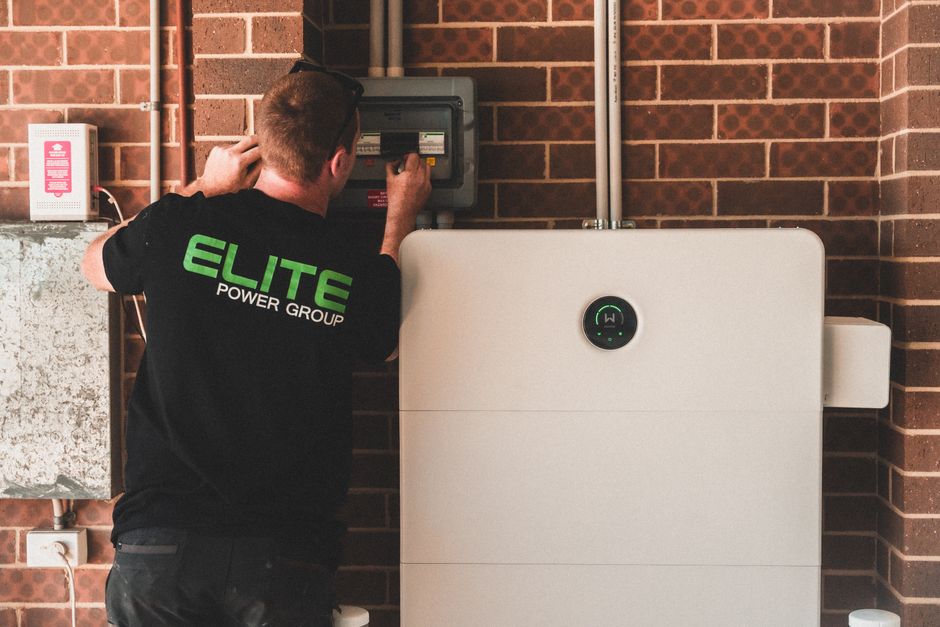
A facilities manager on a Brisbane industrial estate gets a quote pack for a standby genset after three blackouts in one wet season. They did not type “best generator company.” They typed the kVA range, three-phase, automatic transfer switch, and the suburb where the switchboard lives. If your site ranks for brochure language and not for that job language, you are paying for content that never hits the phone.
Generator installation SEO in Australia is not a generic local SEO project with a diesel badge stuck on - the buyers, job sizes, and compliance requirements are genuinely different. Buyers are strata committees, farm owners, hospitals, data rooms, builders finishing off-grid or hybrid sites, and commercial FMs who need compliance paperwork as much as a unit on a slab. Organic search still books surveys when pages match install intent, prove licences and past jobs, and load fast on a tradie’s phone. The same channel wastes budget when you publish thin “power outage tips” blogs, chase national vanity keywords, or treat Google Business Profile as a set-and-forget listing while the contact form dies on mobile.
This piece is a straight split: what actually moves booked generator installation work from Australian search, and what quietly burns time and money without filling the calendar.
If you want the niche framed as a full growth program rather than a blog hobby, start with how Generator Installation marketing ties search demand to survey bookings.
Where Australian generator install SEO burns money without booking a survey
Most wasted spend is not “SEO is broken.” It is SEO aimed at the wrong buyer moment. Homeowners Googling “how loud is a generator” rarely become a $15k-$80k+ commercial install. A page that ranks for curiosity traffic can look healthy in Analytics and still produce zero site walks.
Another leak is city-wide content that pretends every postcode is equal. A Melbourne CBD rooftop install, a Perth mining camp package, and a Gold Coast strata plant room are different jobs, different access constraints, different approval paths. One generic “generator installation Australia” money page cannot carry that without looking thin. Google rewards specificity. Buyers do too. They bounce when they cannot see photos of similar plant, AS/NZS-aware language, or a clear path to a site survey rather than a vague “contact us.”
Directory spam and bulk location pages waste budget next. Spinning 40 suburb URLs with the same paragraph and a swapped place name used to feel clever. In 2026 it mostly trains users (and algorithms) that you have nothing unique. You also burn crawl budget and internal link equity that should sit on real service + locality combinations where you actually work.
Content mills hurt more when AI drafts dominate the SERP. Industry notes put AI-assisted copy on a large share of top pages, but ranking still needs install detail humans notice: fuel type, changeover gear, noise limits near residential boundaries, crane access, and who signs off electrical. Volume without information gain is a dead metric after recent core updates. Publishing twelve posts a month that never mention transfer switches or kVA sizing is a content cost centre, not a pipeline.
Measurement waste is quieter. Teams celebrate organic sessions and form fills, then discover half the enquiries were spare-part hunters, DIY portable genset shoppers, or out-of-area tyre-kickers. Without call tracking tied to landing pages, UTM discipline on offline ads that still mention the website, and a simple booked-survey status in the CRM, you optimise for the wrong north star. Last-click vanity makes SEO look “up” while the workshop stays quiet.
Speed and proof gaps finish the list. As of the March 2025 CrUX report, roughly 45% of Australian origins pass all three Core Web Vitals on mobile (source: web.dev/reports). Generator buyers often land from a phone after a storm or a planned shutdown. A 4MB hero video of a spinning turbine that blocks the call button is not brand. It is friction. Same for hiding licences, insurance, and project photos three clicks deep.
When organic traffic fails after the click, behaviour data beats opinions. Session patterns on quote forms, scroll drop before the compliance block, and rage taps on non-clickable phone numbers show where intent dies. Pair that with tighter SEO prioritisation so you stop feeding pages that never convert.
High-intent organic demand that turns into generator install jobs
What works starts with intent clusters, not a single head term. Map queries into buckets your estimators already recognise:
-
Commercial standby and backup power (kVA, three-phase, ATS, UPS pairing)
-
Residential whole-of-home or essential-circuits installs in bushfire or storm belts
-
Strata and body corporate plant upgrades (noise, enclosure, shared risers)
-
Agricultural and remote site packages (diesel logistics, weatherproofing)
-
Temporary hire-to-permanent conversion and changeover from builder temporary supply
-
Service-adjacent but install-led: “generator installation near me,” “genset install electrician [suburb],” “automatic transfer switch install”
High-intent pages answer the job, not the essay. Lead with who you install for, typical kVA bands you handle, fuel options, electrical licence footprint, and the survey steps. Put the suburb or region in titles only where you truly cover it. Use Australian English and local language: tradie, strata, switchboard, end of lease handover when temporary power is involved, electrician partnership when you subcontract specialised work.
Local and entity SEO still carries weight. Google Business Profile categories, services, and photo cadence should match real installs, not stock images of camping gensets. NAP consistency across state electrical licence listings, supplier partner pages, and your site reduces trust friction. Project pages that name the industry (cold store, medical, data hall, winery) build entity associations better than “Project 14.”
Reviews that mention install quality, commissioning, and after-hours response help more than five-star fluff. Ask for specifics: timeline from survey to first start, noise outcome, how the ATS behaved on test. Respond publicly to technical complaints with calm process language. That content becomes SERP proof and on-page proof.
Technical hygiene is table stakes that still separates serious operators. Index only survey-worthy URLs. Fix cannibalisation when three blogs fight one service page for “generator installation Sydney.” Keep schema honest: LocalBusiness or Electrical Contractor style markup, FAQ only where questions are real, Service markup without inventing awards. Run a pass with free diagnostics before you buy another content package: local SEO checklist, index checker, and Core Web Vitals checker.
Zero-click and AI Overview pressure is real. Large shares of searches end without a click, and generative answers can slash classic CTR when they appear. You still win by being the brand cited and the site people open when the Overview is thin on local compliance. That means clear answers, original photos, and pages that a facilities manager can forward to a committee without embarrassment.
Get a free marketing audit - we review your search, ads, and landing pages and send back what to fix first.
Get a free audit
Playbook: pages, proof, and publishing that protect SEO budget
Treat the middle of the program like an operations checklist, not a brainstorm.
Audit scorecard
-
Intent inventory vs brochure keywords Export Search Console queries for 90 days. Tag each as install, service/repair only, DIY portable, or research. Protect budget for install and commercial standby clusters. Demote or noindex pure curiosity posts that soak crawl time.
-
One primary install page per real market Build or rebuild pages for markets you staff: e.g. commercial generator installation Melbourne, standby genset install SE Queensland. Include kVA ranges, ATS, photos, licence states, and a survey CTA above the fold on mobile.
-
Proof block that estimators would approve Licences, insurance summary, OEM brands you install, commissioning checklist snippet, and 3-5 project cards with industry + rough size band (not fake precision). Strata and FM buyers scan for this before they ring.
-
GBP and site parity Services, description, and photos must match the primary pages. Post real job updates. Kill categories that attract portable retail tyre-kickers if that is not your model.
-
On-page speed for storm-day traffic Compress hero media, defer non-essential scripts, keep click-to-call sticky. If INP feels sticky on form widgets, simplify the form to name, phone, suburb, kVA or load description, and preferred survey window.
-
Internal links from job content to money pages Every technical article should pass equity to the matching install page, not orphan in a blog silo. Use descriptive anchors (“three-phase standby install process”) not “click here.”
-
Review and citation hygiene Month-end ask for install-specific reviews. Fix NAP drift on old supplier directories. Do not buy sketchy link packs; earn mentions from electrical wholesalers, industry associations, and project case features you can stand behind.
-
Conversion tracking that names a booked survey Separate “form submit” from “survey booked” and “install won.” Call tracking numbers on organic landing pages. Weekly review of query → page → outcome, not monthly vanity PDFs.
DIY playbook
-
Pull top 50 landing pages by organic clicks. Mark which ones ever produced a site survey in the last two quarters.
-
Rewrite the highest-traffic non-converting page into an install-intent page or redirect it to one that already converts.
-
Add a short “what we need on the survey” section: single-line diagram if available, load list, fuel access, noise limits, crane path.
-
Shoot five real photos this fortnight: slab, enclosure, ATS close-up, switchboard tie-in, nameplate (blur serials if needed).
-
Build one comparison block buyers ask for: standby vs portable, open vs canopy, diesel vs gas where you actually offer both.
-
Set response SLA: organic leads answered inside one business hour on weekdays, with a survey window offered in the first reply.
-
Schedule two depth pieces per month that only your techs could write: harmonic issues on sensitive loads, strata noise mitigation, bushfire switchover drills.
-
Use a managed cadence tool only after the template is strong. HeyLead Auto Blogger fits when you need region- and niche-aware articles shipping under human strategy without hiring a full editorial desk.
-
Watch post-click behaviour in HeyLead Insights or your analytics stack: if users never reach the licence block, move it up; if they stall on a 12-field form, cut fields.
-
Re-run competitor gaps quarterly with a focused pass, not endless tooling. Prioritise pages that already rank page two for install terms in your cities.
Free tools - try these yourself
Budget that works funds fewer, deeper pages, photo production, review ops, and technical fixes. Budget that wastes funds endless thin posts, nationwide keyword fantasies, and reports that never mention booked surveys.
Two Australian installers, same channel, opposite ROI
In one composite example from our client work, a mid-size commercial installer covering Sydney and Newcastle ranked for “home generator tips” style content for eighteen months. Organic sessions looked respectable. Estimators complained the inbox was full of portable unit price shopping. The fix was brutal and useful: noindex the tip posts, consolidate into one residential essential-circuits page, and build two commercial standby pages with ATS diagrams and cold-store case photos (roughly 100-500 kVA commercial standby work). Within two to three months, organic enquiries dropped in raw count but survey-qualified share jumped. One concrete mechanism did the work: query-to-page mismatch removed, not “more SEO.”
A second operator in Adelaide had solid project photos buried under a homepage carousel and a contact form that asked for ABN, company size, and three budget fields before a phone number. Heatmap-style review showed abandon on field four. They cut the form to five fields, put click-to-call beside the kVA guidance, and moved licence numbers into the first screen. Same rankings, better connect rate. The lesson for marketing leads: SEO budget is wasted when the page cannot finish the job organic already started.
Neither story needed a mythical 73% industry study. They needed install-language pages, proof, and a path to a booked walkthrough. If your team is stuck arguing about blog volume, pull the last 40 organic leads and label each as survey-worthy or not. That spreadsheet ends the argument faster than another keyword tool login.
What marketing leaders are seeing
One Queensland client told us: “We stopped counting blog sessions as wins after we labelled leads. Half were portable shopping. Once we rebuilt commercial standby pages around ATS and kVA, the phone quality changed even before rankings fully moved.”
Another Queensland client told us: “Storm weeks used to crash our mobile form. Cutting fields and fixing LCP on the install landing page did more for booked surveys than another month of generic outage articles.”
FAQs
How long before generator installation SEO in Australia shows booked surveys?
Expect technical and conversion fixes to help qualified enquiry rates within weeks if you already rank. New competitive commercial terms in Sydney or Melbourne often need several months of proof-rich pages, reviews, and consistent GBP activity. Anyone promising a fixed CPL before seeing your margins and coverage area is selling comfort, not a forecast.
Should we prioritise Google Business Profile or the website first?
Do both, but fix the mismatch first. If GBP says commercial installs and the site leads with camping gensets, you train the wrong click. Strong local pack presence still hands users to a site that must convert on mobile.
Are national “generator installation Australia” keywords worth the content cost?
Usually as supporting brand or hub pages, not as your only bet. Revenue tends to sit in regional commercial and high-intent local clusters where you can prove trucks, licences, and past jobs.
Does AI content help or hurt for this niche?
Drafting speed helps, but unedited AI copy in this niche often gets fuel-type specs, AS/NZS standard references, or kVA sizing rules wrong-and that erodes trust fast with FMs and estimators. An electrician or commissioning engineer should review any technical claim before publish. Tools support cadence; they do not replace commissioning knowledge.
What should we track besides organic sessions?
Track survey bookings, quote sends, win rate by landing page, call connects from organic numbers, and response time. Sessions without those outcomes are a vanity loop.
Putting it to work
Execution sprint
This week
- Pull 30-90 days of performance for generator installation seo in (Search Console, ads, CRM, or call logs - whatever you have).
- Flag the top leak: wrong intent, weak page, slow response, or dirty conversion tracking.
- Ship one fix on the highest-traffic money path (page, campaign split, or response rule).
- Run the free tools below on that same URL or account and log the findings.
Free tools for this sprint
Next 30 days
- Expand the fix to the next one or two money paths only after the first one shows cleaner bookings.
- Align creative, keywords, or content with the same offer the page now states.
- Review booked outcomes weekly; cut anything that still only produces unqualified volume.
This week
-
Export 90 days of Search Console queries and tag install vs non-install intent.
-
Pick one city you truly serve and rewrite the primary generator installation page with kVA, ATS, photos, and survey CTA.
-
Run Core Web Vitals and index checks on that URL; fix the worst mobile issue.
-
Shorten the lead form and add click-to-call.
-
Request two install-specific reviews that mention commissioning or strata constraints.
-
Label the last 25 organic leads as survey-worthy or not and share the ratio with ownership.
Next 30 days
-
Add or merge two commercial project pages with real plant photos.
-
Align GBP services and site service names.
-
Publish one tech-depth article that internal-links to the money page.
-
Stand up booked-survey tracking separate from raw form fills.
-
Decide whether content cadence needs managed help via Auto Blogger under your outline control.
Pull your last 60 days of organic landing pages and mark which ones ever produced a site survey; rewrite or retire the rest before you fund another content batch. When you want a partner to own the messy loop of generator installation SEO in Australia (intent mapping, proof-led pages, local entity signals, and conversion tracking that counts booked work), HeyLead can carry that execution so you stay on coverage and margin decisions. Start the conversation on Chat with us on WhatsApp.
Free marketing audit, or reach Martin directly:
Get a free audit Chat with us on WhatsApp · martin@heylead.com