Web Design for Wildlife Removal in Australia
Built for Australian trades and local service brands competing in AU search. A wildlife removal site that looks finished and books nothing is a tracking and message problem. We rebuild the path from "raccoon removal in attic" to call, form or chat so speed and proof do the selling.
HeyLead web work for Wildlife Removal starts with the enquiry path, then design. Mobile speed, visible phone, short form, and events that fire on every booked job attempt in Australia.
Why the site decides Wildlife Removal ROI in Australia
Context from how your customers search, compare and book in Australia.
Wildlife Removal demand shows up on Google.com.au as "raccoon removal in attic" and "bat removal from house". We build Web Design around suburb and state pages across Sydney, Melbourne, Brisbane, Perth and regional Australia, suburb plus trade, not a US ZIP-code clone.
Ads and SEO only work if the wildlife removal page can take the click. Slow LCP, a buried phone number or a six-field form on mobile is the conversion leak in Australia.
We map "raccoon removal in attic" and "bat removal from house" landings first: proof, service area, response time, then the call to action. Comparison questions get answers on the same screen in Australia.
Events for call, form and chat have to fire before we argue about colour. A redesign without tracking is a new coat of paint on a blind funnel in Australia.
Who the Wildlife Removal site has to convert in Australia
Wildlife customers hear noises at night, smell droppings or see animals in living spaces. They want humane, licensed help fast and proof the problem will not return in Australia. Campaigns follow Google.com.au and how local buyers actually enquire.
groups Customer segments
- person Homeowners with attic, wall or chimney wildlife activity in Australia
- person Landlords fixing tenant complaints about animals or odors in Australia
- person Restaurants and food facilities needing compliant wildlife response in Australia
- person Rural and suburban owners with recurring yard and deck conflicts in Australia
psychology What drives their decision
- check_circle Licensed, humane handling stated clearly on mobile in Australia
- check_circle Exclusion and repair warranty explained upfront in Australia
- check_circle Reviews citing complete solve, not trap-and-leave in Australia
- check_circle Same-day or next-day response for active infestations in Australia
How we deliver Web Design
A clear, repeatable process built for wildlife removal buyers, not a generic agency playbook in Australia.
Audit the wildlife removal booking path
We map the paths from "raccoon removal in attic", "bat removal from house" and direct visits to enquiry. Gaps in trust, speed and mobile usability on wildlife removal pages are documented before design starts in Australia.

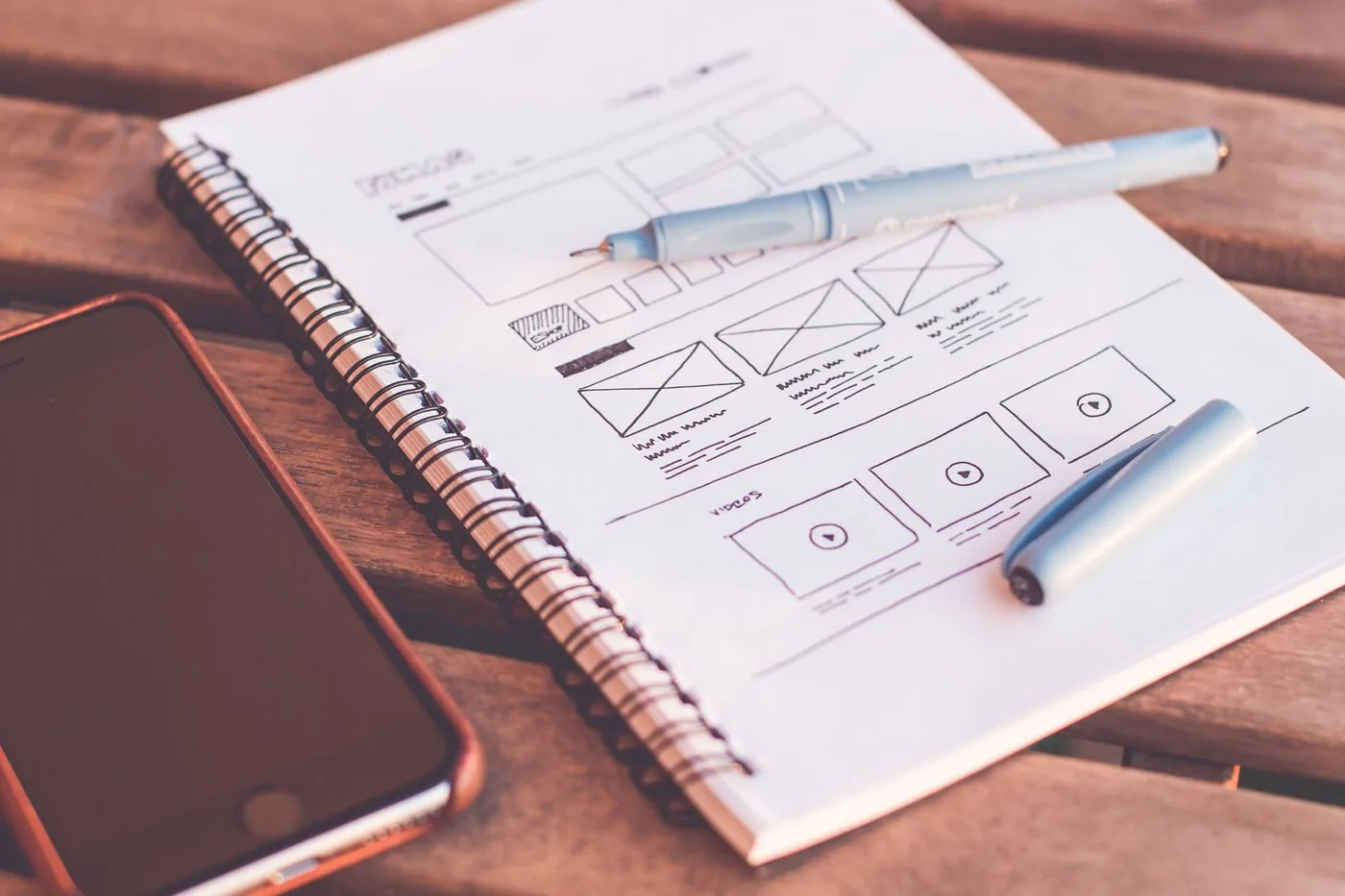
Wireframes for class, intro and location pages
Service pages lead with proof, service area, response time and credentials. Comparison and pricing questions get visible answers without burying the call to action in Australia.

Build, speed and mobile booking UX
Lightweight templates, optimised media and accessible forms keep pages fast on mobile networks. Technical SEO hooks are built in, not bolted on after launch in Australia.

Tracking for book, call and chat
Events for calls, chats, forms and bookings fire correctly into analytics and ad platforms so redesigns can be judged on pipeline impact. marketing geo for wildlife removal covers Sydney, Melbourne, Brisbane, Perth and regional Australia with suburb and state pages, not suburb and state pages.

CRO tests after launch
Headline, form, button and social-proof tests run on live traffic. Winners roll site-wide; losers revert quickly so wildlife removal conversion rate keeps climbing in Australia.
What Wildlife Removal Web Design includes
Pages that make it easy to understand the offer and take the next step in Australia
- check_circle Service pages built for intent like "squirrel trapped in wall" and quote requests in Australia
- check_circle Trust signals, reviews and service-area clarity above the fold in Australia
- check_circle Forms, click-to-call and booking flows tested for mobile conversion in Australia
- check_circle Conversion audit of current wildlife removal URLs in Australia
- check_circle Mobile-first layouts with a performance budget
- check_circle Call, form and chat events on launch
- check_circle CRO backlog for the first 90 days

What you can expect
- verified Web Design aligned to Google.com.au and suburb and state pages
- verified Faster LCP on the wildlife removal pages that take ad and organic clicks in Australia
- verified Phone and form visible without scrolling on a phone in Australia
- verified Events that fire on call, form and chat in Australia
- verified A CRO log with winners and reversions in Australia
- verified Templates marketing can reuse without breaking headings or schema in Australia
- verified marketing geo for wildlife removal covers Sydney, Melbourne, Brisbane, Perth and regional Australia with suburb and state pages, not US DMA or ZIP targeting.
Deliverables you receive
Technical approach
The mechanics behind Web Design for wildlife removal, explained plainly in Australia.
Performance budget in Australia
LCP, CLS and INP targets are set per template. Heavy sliders and unoptimised galleries are replaced or lazy-loaded so wildlife removal pages stay fast on 4G in Australia.
Form and call UX in Australia
Field count, autofill, click-to-call prominence and error states are tuned for stressed mobile users booking urgent wildlife removal work in Australia.
SEO-safe templates in Australia
Heading hierarchy, meta fields and schema hooks are baked into components so marketing can publish new service pages without breaking technical SEO in Australia.
What a Wildlife Removal website costs in Australia
Wildlife Removal web design starts at A$2,000 AUD. Talk to us. The starting point is the path that books the job: service, emergency, quote, a tap-to-call, and events that fire on every booked job.
Typical website range
Starting at A$2,000 AUD
Talk to us. Quoted in AUD.
What's included
Conversion audit
We map the path from "raccoon removal in attic" to a booked job. Gaps in click-to-call, hours, license, service area, proof and mobile forms are documented before design starts in Australia.
Service, emergency, quote pages
Templates that lead with the job, the local number, reviews and before-and-after. A tap-to-call or short estimate form on mobile, not a six-field brochure site in Australia.
Speed and tracking
Performance budget, compressed job photos, and events for call, form and chat so the redesign is judged on booked job in Australia.
This is a trade site that books jobs, not a national brand platform. Dispatch software, online booking portals and a photo shoot sit outside the starting point if you do not already have them. Quotes are in AUD. Talk to us for a fit.
Get a Free Audit arrow_forwardWhat the Wildlife Removal rebuild looks like before launch in Australia
Wildlife Removal site work is a sprint on the enquiry path, then CRO. You should have a faster, tracked page in production inside a month if content is ready in Australia.
Conversion audit of "raccoon removal in attic" landings: speed, proof, form, phone. Priorities before wireframes in Australia.
Build, performance budget, accessibility and event wiring. Launch with a QA log, not a surprise in Australia.
Headline, form and social-proof tests on live wildlife removal traffic. Winners roll out; losers revert the same week in Australia.
Other Wildlife Removal marketing services
Frequently Asked Questions
What does a Wildlife Removal website cost? expand_more
What is included at the starting point? expand_more
How long until the site is live? expand_more
Do you need new photos and copy from us? expand_more
Are dispatch apps and online booking portals included? expand_more
Will this work on our current CMS? expand_more
Does the new site include SEO? expand_more
Will you track calls and booked jobs? expand_more
What happens after launch? expand_more
What do you need from us to start the site? expand_more
Ready to scale Wildlife Removal Web Design?
Get a free audit and we will show you where your next enquiries are hiding.
Get a Free Audit arrow_forward