Google AdsCertified
✓ Web Design for Bike Rentals
Web Design for Bike Rentals in Australia
A renter is standing on a street corner or in a hotel lobby, comparing three shops on a phone. The site that shows bikes, hire lengths, prices and a pickup point in the first screen gets the booking. We design bike rental websites that do that, take reservations and record where they came from.
For bike rental owners who need a fast mobile site that sells bikes, e-bikes and tours, answers deposit and sizing questions and tracks reservations.
What a bike rental website has to do
Context from how your customers search, compare and book.
The first screen needs to answer: what can I rent, how long for, what does it cost and where do I collect it. A short price table by hire length, a photo of the shop and a reserve button do most of that. Everything else can sit one tap below.
Choosing a bike is the hard part for first-time renters. A simple guide helps: which size suits which height, which bike suits kids or tall riders, how an e-bike differs and which model suits hills. Photos of each bike type with clear labels cut the number of phone calls.
Rules and costs decide whether people press the button at all. Deposit and ID rules, helmets and locks, insurance or damage terms, late return charges, child seats and what happens in bad weather should be easy to find. Hiding them leads to arguments at the counter.
Routes help sell the rental. A page of suggested rides with distance, stops and return options helps visitors picture their day. Maps should be readable on a phone, and the page should make it simple to add a tour or a lunch stop, if you offer them.
Who this web design is for
groups Customer segments
- person Waterfront and city shops that lose walk-ins to rivals with clearer sites
- person Operators who now offer e-bikes, kids bikes and trailers but list only one price
- person Tour companies that need a page for each route and a way to book groups
- person Seasonal owners who want a site that can be updated quickly each spring
psychology What drives their decision
- check_circle Prices and bike types visible without scrolling
- check_circle A reservation tool that works on a phone
- check_circle Sizing and rules answered on the page
- check_circle Maps and routes that help people plan a ride
How we deliver Web Design
A clear, repeatable process built around how bike rentals customers search and decide.
1
Review of how renters use the site
We study phone views, calls and the questions your counter staff answer each day. These show what visitors cannot find on the site. The result is a short list of changes that should reduce drop-off and give renters what they need to book.
2
Page plan and wording
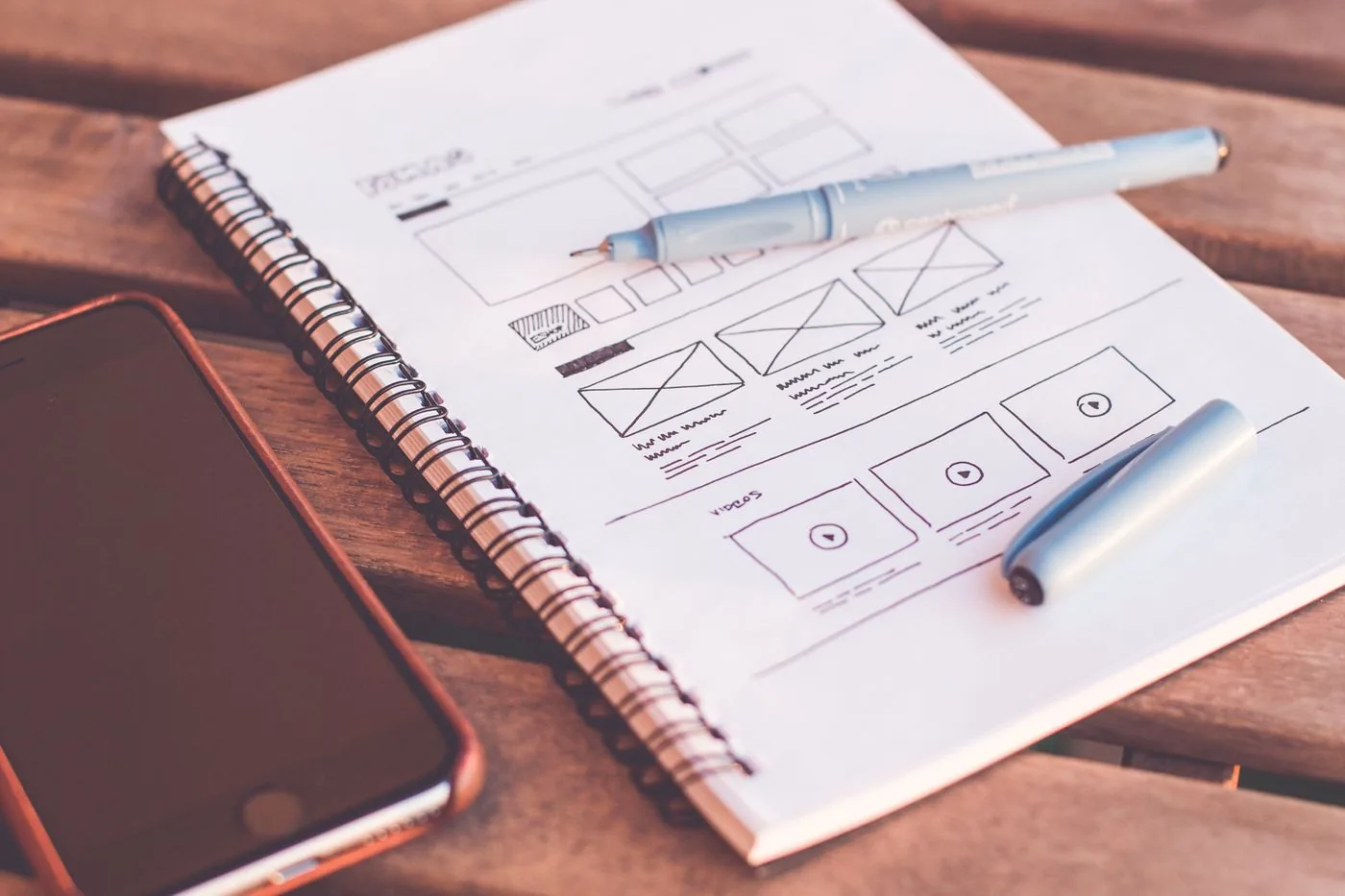
We map pages for standard bikes, e-bikes, kids bikes and trailers, tours, routes, groups, pickup points and rules. Each page then opens with the question that renter has. You approve wording on prices, safety and insurance.
3
Design and build
We build for a phone first, with large photos, readable text in strong light, a sticky reserve button and price tables that fit a small screen. We use your brand and your own photos, and suggest new shots if needed.

4
Booking tool and forms
We connect your reservation tool or build a request form, add fields for bike sizes, helmets and child seats, and test the path on several phones. Group and corporate rides go through a short form to a named person.

5
Launch and seasonal updates
We check links, tracking, speed and forms before launch, then watch reservations in the first weeks. We schedule updates for opening dates, holiday hours, new bikes and events so the site is ready before each season.
web
What Bike Rentals Web Design includes
Pages that make it easy to understand the offer and take the next step in Australia
- check_circle Mobile-first design and build
- check_circle Bike, route and rules pages
- check_circle Reservation and form connection
- check_circle Speed and readability checks
- check_circle Tracking and seasonal updates

What you can expect
- verified Renters see bikes, hire lengths, prices and pickup in the first screen
- verified Sizing and e-bike guidance cuts questions at the counter
- verified Deposit, ID and helmet rules are clear before the reservation
- verified Route pages help visitors plan a ride before they arrive
- verified Groups and companies reach a form and a named person
- verified Reports show which pages led to reservations, calls and direction taps
Deliverables you receive
inventory_2 Home page with price table, bike types, pickup point, hours and a reserve button
inventory_2 Bike pages for standard, e-bike, kids, trailer and tandem rentals with sizing help
inventory_2 Route pages with maps, distance, stops, return options and suggested hire length
inventory_2 Rules and costs page covering deposits, ID, helmets, insurance, late return and weather
inventory_2 Group, tour and corporate page with a short request form and a named contact
inventory_2 Reservation, call and directions tracking showing which page led to each rental
Technical approach
The mechanics behind Web Design for bike rentals, explained plainly.
Screen readability in sunshine
People book from outdoors, so text needs strong contrast and large size. We avoid faint pale text, tiny buttons and slow image sliders, and we keep the reserve button and phone number within thumb reach.
Reservation and stock
Where your booking tool tracks availability, we connect it so renters see free bikes and times. We handle sizes, add-ons such as child seats and a clear message when a day is full, so no one pays for a bike that is not there.
Maps and routes
We embed readable route maps that load quickly, with distance and stops listed in text as well. Pickup and drop-off points are marked so renters can find the shop and plan one-way trips.
Marketing from $500 USD a month
Month to month, no commitment. One fee covers the pages, the search and ad work and the tracking. Ad spend is separate and stays in your own accounts.
Starting at
$500 USD per month
Free to cancel with 1 month's notice. Tell us what you sell and where. We come back with what the first month would fix.
Get a Free AuditWhat $500 a month covers
Conversion-led page design
IncludedSites are designed around one obvious next step, like a call or an enquiry form.
Responsive build
IncludedCode is written to load fast and display well across phones, tablets and desktops.
Campaign landing pages
IncludedAdvertising traffic arrives on purpose-built pages carrying a matching offer.
Tracking wired up
IncludedAnalytics, form events and call tracking are configured and checked before each site publishes.
What to expect from a bike rental site build
A rental site depends on clear prices and good photos. Gathering those, and testing the reservation path, takes as long as the design.
Days 1 to 14
We review the current site, gather prices, bike lists, photos and rules, and agree the page plan with you. Quick fixes, such as wrong hours or a broken reserve link, go out early.
Weeks 3 to 8
We build and test, connect reservations and forms, and prepare launch well ahead of the season. You approve wording on prices, safety and insurance before anything goes live.
Months 3 to 6 and beyond
We study which pages bring reservations, tune layout and wording, and add routes, bikes and events as they come up. Off-season updates make sure the site is ready for the next spring.
Other Bike Rentals marketing services
search SEO for Bike Rentals in Australia arrow_forward query_stats SEM for Bike Rentals in Australia arrow_forward ads_click Meta Ads for Bike Rentals in Australia arrow_forward monitoring Analytics for Bike Rentals in Australia arrow_forward handshake CRM Integration for Bike Rentals in Australia arrow_forward psychology AI Optimisation for Bike Rentals in Australia arrow_forward
Our team
The same people on the audit and on the work
Dino designs conversion-led pages and campaign landing pages that work on every screen, while Elmer makes sure tracking is wired up from launch.
-

Martin
Founder, strategy and audits
Writes every audit and takes every first call. On your account from day one, running growth for SMEs since 2010.
-

Yoana
Social and app development
Shapes social strategy and builds practical app experiences that turn attention into action.
-
 Leads this work
Dino
Design
Creates clear brand and conversion-focused design across landing pages, campaigns and product experiences.
-
 Leads this work
Elmer
Analytics
Connects tracking, attribution and reporting so decisions are based on revenue-quality data.
-

Mike
SEO
Owns technical, local and content SEO so the right buyers find you when demand is highest.
-

Robert
Paid media
Plans and manages paid search and social campaigns around qualified leads.
Certified and experienced
Certified where it matters. Accountable for the outcome.
Verified platform knowledge, 25+ years of hands-on experience, and an operating track record since 2010.
Google AnalyticsCertified
✓Google Tag ManagerCertified
✓Operating since 2010Proven experience
✓Frequently Asked Questions
What should a bike rental website show first? expand_more
Bike types, hire lengths with prices, the pickup point and a reserve button. People decide fast, often on a phone. Everything else can be a tap away.
Can the bike rentals site take reservations and deposits? expand_more
Yes, through your booking tool or a payment step we connect. We test the full path, including confirmation messages. Whether to take a deposit and how much remain your decisions.
How do you help renters choose the right size of bike? expand_more
With a simple height guide and photos of each bike type, plus a note on e-bike weight and range. Kids and tall riders get their own notes. A clear guide saves counter time and avoids wrong-size bikes.
Should the site show routes for bike rentals customers? expand_more
Yes. A few suggested rides with distance, stops and return options help renters picture their day and book a longer hire. We write them from your local knowledge, not from generic copy.
Can the bike rentals site handle group and corporate bookings? expand_more
Yes. A short form asks for date, number of riders, bike sizes and any guide needed. It goes to a named person, and we agree how fast they reply.
How often will the bike site need updates? expand_more
At least each season, for opening dates, prices, new bikes and events. We build it so you or we can change prices and hours quickly. A site that shows last year's hours loses bookings.
How will we know the new bike site is working? expand_more
We track reservations, calls, direction taps and form sends by page and source. Each month you see which pages bring rentals and where visitors leave, and we adjust wording or layout based on that.
Ready to get more from Bike Rentals Web Design?
Get a free audit and we will show you where you are losing enquiries today.
Get a Free Audit arrow_forward
Reviewed by
Martin Marinov
Founder, HeyLead
Martin founded HeyLead and has worked in SEO and paid search for more than 20 years, across Google Ads, Microsoft Ads and organic search.