
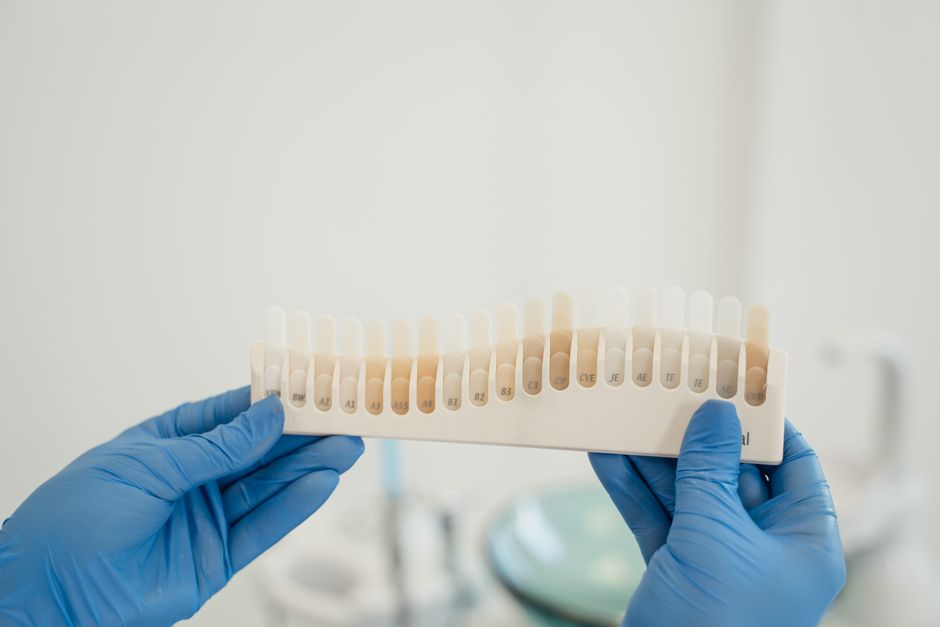
A two-chair cosmetic clinic in inner Melbourne can fill Monday with hygiene recalls and still have three empty implant consult slots by Thursday. That is not a reception problem. It is a mix of Google Business Profile photos that look like 2019, Search ads sending Invisalign money to a homepage that buries fees, and Meta creative that still talks about “your smile journey” while the auction rewards a 6-second before-and-after hook.
Australian private and mixed practices compete on high-ticket work: implants, veneers, aligners, full-arch, and elective whitening. Patients research on mobile, compare two or three clinics, then wait for a treatment coordinator who can quote in AUD with a deposit path. If your digital marketing for dental practices and cosmetic dentistry Australia still treats “new patient” as one campaign, you pay for curiosity, not booked exams.
This piece is for the practice owner, marketing manager, or group ops lead who owns the diary, not for patients shopping for a whitening special. We’ll walk the leak points, then a channel mix that Australian clinics can actually run, with checklists you can execute without another strategy deck.
Where Australian cosmetic consults leak before the coordinator picks up
Search still starts the high-intent path. Someone in Brisbane types “All-on-4 cost” or “porcelain veneers Paddington” because they already know the category. Industry benchmarks put Google Ads ROAS above Meta’s for high-ticket services; dental cosmetic accounts we’ve seen swing from 2x to 6x depending on landing page and coordinator speed. Those are not dental guarantees. They are a reminder that paid can pay if the landing page and call handling match the query. About 20-30% of SEM budgets still vanish on irrelevant queries, missing negatives, and pages that do not match the ad.
Cosmetic work is worse than general dentistry because the ticket is larger and the research cycle is longer. A parent booking kids’ check-ups converts on a Maps pin and a Saturday slot. A veneer patient wants case photos of similar teeth, a named clinician, finance language, and a consult form that does not ask for a Medicare number. Send them to the same homepage and you train Google that your conversions are cheap brochure downloads, not $150 consults that become $18k treatment plans.
Mobile accounts for the majority of dental search clicks in Australian CBDs - Google’s own benchmarks put mobile paid search share above 60% in health categories - while booking completion still skews desktop. iOS Safari’s ITP worsens form tracking on mobile, which is another reason Core Web Vitals and a fast, simple consult form matter. If your booking widget is a PDF or a “call us” button that fails on iOS, you are paying CPC that averaged about $2.96 across search in 2026, up year on year, for people who bounce. Only 55.9% of origins pass all three Core Web Vitals in May 2026 CrUX data. Dental sites stuffed with uncompressed gallery images fail INP the moment a patient tries to open a case study.
Then there is the diary. Ads can look healthy in-platform while the front desk logs “just browsing” because the offer was a $99 clean, not a new-patient exam with a named dentist. Last-click will count that form twice if Meta and Google both fire. You lose 20%+ of conversion data to ad blockers and privacy changes, which quietly wrecks smart bidding. Automated bidding then inflates spend without improving consult quality, which is the objection every practice manager already has.
If paid traffic dies on the page, session behaviour is the fastest way to see it. HeyLead Insights is built for that: where implant visitors stop scrolling, which form field they abandon, whether the CTA above the fold is even in view on a phone. One sentence of evidence beats another month of “the ads need more budget.”
When the leak is clearly post-click, a dedicated landing page rebuild aligned to one treatment is usually cheaper than another campaign restructure.
How search, Maps, and Meta actually split new-patient demand in Australia
Do not run one “dental” campaign. Split demand the way patients split it. Emergency and general (toothache, cracked tooth, bulk-bill vs private) is local, fast, and call-heavy. Cosmetic (veneers, implants, aligners, smile design) is research-heavy, often from a 25km radius around a CBD or affluent suburb, and needs proof before a booking.
Google Search and Performance Max now carry the bulk of paid search for many accounts. “Performance Max drives the bulk now” is what operators say when brand and high-intent treatment terms are feeding the asset groups. That only works if you feed it clean conversion signals: booked consult, not “contact us.” Enhanced Conversions and a first-party event from the practice management or CRM side protect against the data loss that makes AI bidding guess. AI Max-style campaigns can show 12-18% lower CPCs versus standard Search in some accounts, but they will happily buy “teeth whitening strips” if your negatives and landing pages are lazy.
Maps is the hygiene and emergency engine. Photos of the operatory, the team, and real cases, plus review velocity, beat a 4.9 star average with 11 reviews from 2021. Cosmetic patients still open Maps, but they convert after they have seen a case that looks like their own crowding or wear. That is why organic treatment pages still matter even as AI Overviews reach enormous scale and zero-click behaviour rises. Visibility without a click is not a booked All-on-4.
Meta is not “awareness” for a clinic that needs 12 implant consults a month. Creative is the targeting. Broad delivery plus a systematic test of hooks (price range in AUD, timeline, “no GP referral,” clinician on camera) beats the 2020 lookalike stack. Fatigue shows in CPM first, then lead volume. UGC-style clips can peak in 5-6 days. If you refresh monthly, you are already late. Do not expect Meta’s 2.8x average ROAS to look like Google’s 4.2x on a $4k consult product unless the landing page and coordinator speed match Search intent.
Bing is optional in most Australian dental catchments unless you have surplus Search demand you cannot cover. LinkedIn is almost never the consult engine. Keep the mix tight: Search and Maps for intent, Meta for proof and remarketing (a meaningful slice of Meta budget already flows to people who already saw you, even if you never built a remarketing campaign by hand), organic treatment pages for the queries AI Overviews still leave open.
Get a free marketing audit - we review your search, ads, and landing pages and send back what to fix first.
Get a free audit
A clinic playbook that books exams, not brochure traffic
Start with the diary KPI, not impressions. A “good week” for a four-operatory cosmetic practice is filled new-patient exams with a known source, not 200 Instant Form leads that never answer. Then build campaigns and pages backward from that event.
Audit scorecard
-
Intent inventory in AUD languageList queries you actually want: "dental
Intent inventory in AUD languageList queries you actually want: "dental implants [suburb]", "All-on-4 cost Australia", "Invisalign [city]", "porcelain veneers before and after", "emergency dentist open now". Separate emergency, general, and cosmetic. If the ad copy says "from $X" the page must show the same band, GST-inclusive if you quote that way, and what the consult includes.
-
Campaign structure that does not reset learningFewer campaigns, broader
Campaign structure that does not reset learningFewer campaigns, broader targeting inside each intent cluster. One Search campaign per cluster (emergency, general new patient, implants, aligners, veneers). Performance Max only after conversion volume is clean. Constant structure changes kill learning. Negatives for DIY kits, jobs, and "bulk bill" if you are fully private.
-
Landing pages that match the ad, not the homepageOne URL per cluster
Landing pages that match the ad, not the homepageOne URL per cluster. Hero: treatment, clinician, suburb, primary CTA (book consult / call). Proof: 3-5 cases with similar starting points. Fees or finance in AUD. Same-day or 24-hour callback promise if you can keep it. If someone says they "just send traffic to your homepage," that is the leak.
-
Creative as targeting on MetaFor implants: open with the missing-tooth p
Creative as targeting on MetaFor implants: open with the missing-tooth problem (confidence, chewing), name the timeline (same-day consult, 3-month healing), end with the exact consult fee and suburb. For aligners: show the wire-to-aligner contrast, name the duration in months, and offer a free scan. Different ticket, different hook structure - do not use the same script. Swap hooks every few days once CPM climbs. Stop stacking interests. Run broad, feed the pixel a booked-consult event, and kill ads that generate "price only" chats with no exam.
-
Maps and review operationsWeekly photo refresh, Q&A on fees and parking,
Maps and review operationsWeekly photo refresh, Q&A on fees and parking, and a post-visit SMS that asks for a Google review on the correct location if you are multi-site. Cosmetic galleries belong on the GBP and the treatment page, not only Instagram.
-
Speed, INP, and form frictionCompress case photos, defer chat widgets, k
Speed, INP, and form frictionCompress case photos, defer chat widgets, keep the consult form to name, mobile, treatment interest. Track call clicks as conversions with a unique number per cluster if you can. Mobile conversion lag is often the widget, not the offer.
-
Signals, not vanity leadsFire the conversion on booked exam or qualified
Signals, not vanity leadsFire the conversion on booked exam or qualified call, not page view. Use GTM, Enhanced Conversions, and a first-party match where possible. In-platform CPA that does not match the diary is not a mystery. It is duplicate tags or the wrong event.
-
Coordinator SLASpeed-to-lead under 15 minutes during clinic hours for pa
Coordinator SLASpeed-to-lead under 15 minutes during clinic hours for paid consults. After-hours SMS with two slot options. If ads run Sunday night and no one calls Monday morning, you bought leads for a competitor with a faster desk.
Action checklist
- Export 90 days of new-patient exams from the PMS. Tag source as Search, Maps, Meta, referral, or unknown. Unknown over 30% means tracking is theatre.
- Pause any ad group whose top queries include whitening strips, jobs, or suburbs you do not serve. Add those negatives the same day.
- Build or rewrite one implant landing page and one emergency page. Match H1, title, and meta to the query. Check titles and H1s before you spend.
- Point Search ads at those URLs with UTMs. Never a bare homepage.
- Record three 15-second Meta clips this week: implant timeline, veneer case, "how the consult works." Swap the weakest after CPM rises.
- Sit with reception for one afternoon and listen to paid-source calls. Rewrite the first 20 seconds of the ad and the page FAQ from the objections you hear.
Free tools - try these yourself
A Gold Coast implant clinic we modelled on paper (not a named client) had Search converting at a 4.2% form rate into “enquiries” while the diary showed 11 booked consults in 30 days from 94 forms. The mechanism was a homepage form with no treatment dropdown and a 19-hour average callback. They moved ads to an implant-only page with a two-field form and a same-morning call block. Booked consults from paid search rose without a CPC miracle. The number that mattered was callback time, not ROAS in the Google UI.
Another pattern: a Sydney CBD cosmetic practice ran Meta to Instant Forms because “the landing page was slow.” CPM looked fine for nine days, then climbed. Leads were interstate tourists asking for same-week veneers at holiday prices. Broad targeting was not the villain. The creative never named the postcode, the clinician, or a consult fee. Creative is targeting. Weak creative plus a weak geo line is how you buy cheap, useless chats.
Measurement that survives AI Overviews and messy attribution
You will not get a perfect last-click story. Last-click double-counts. In-platform Meta CPA will disagree with GA4. CM360-style views of Google Ads have been getting noisier. Treat channel dashboards as directional and the diary as the source of truth: new exams, treatment plans presented, accepted value in AUD, by first-touch cluster if you can, by last-touch if that is all you have.
Organic still matters because AI Overviews cut CTR even when you “rank.” Google’s own quality rater data and SEO studies consistently show that generic informational dental content is being absorbed into AI Overviews, making undifferentiated blog posts invisible. Clinical specificity - your protocol, your healing photos, your fee bands - is what earns the residual click. Schema for local business and FAQs helps machines quote you. Citation in AI answers is a bonus, not the KPI. Booked exams are the KPI.
Run incrementality the simple way if you cannot afford MMM: pause a non-brand Search cluster for 14 days in a secondary suburb and watch the diary, not just sessions. If exams do not drop, you were buying branded curiosity. If they drop, you have a floor for that cluster’s value. Realistic paid and SEO programs take 3-6 months of clean signal, not a promised CPL on day one. No one can guarantee a specific ROAS before they see your account, pages, and unit economics.
Reporting should be weekly and ugly: queries, CPM trend, consults, no-shows, accepted treatment. Monthly PDFs bury the week creative died. Ask any agency who specifically will manage the account. Juniors rotating through a dental book is how negatives rot and implant terms bleed into whitening.
What marketing leaders are seeing
Patterns we see repeatedly (composite from intake interviews; names withheld):
“We were celebrating a $41 CPL on Meta Instant Forms until the coordinator showed me 40 of 55 leads were interstate and would not fly in for a consult. CPM had already been climbing for six days. We killed the forms, put postcode and consult fee in the first three seconds of the video, and booked 9 implant exams the next fortnight from fewer leads.”
“Search looked expensive at over $3 CPC until we stopped counting homepage form fills. Once the conversion was a held new-patient exam, Performance Max actually had something to learn. The waste was the negatives we never added for ‘course’ and ‘assistant jobs’.”
FAQs
Should a small Australian practice start with SEO or Google Ads?
If the diary is empty this month, Search and Maps first, with treatment pages that can rank later. SEO without a page that can convert paid traffic is slow and you still need those pages for ads. Parallel is ideal if someone owns both.
Is Meta worth it for implants and veneers?
Yes if creative names the treatment, the location, and the next step, and if a human calls fast. No if you use Instant Forms as a dumping ground and judge success on CPL alone. Expect faster fatigue than Search.
How much budget do clinics usually need before smart bidding works?
Google’s own threshold for Target CPA to stabilise is roughly 30-50 conversions per month per campaign. For a dental implant campaign where a booked consult is the conversion event, that can mean $4,000-$8,000/month in spend before smart bidding has enough signal. Below that, use Maximise Clicks with a CPC cap or manual CPC, and let the volume build before switching. Automated bidding on junk events inflates spend.
Do we need a separate site for cosmetic work?
Usually no. You need separate URLs, proof, and offers. A second domain splits reviews and Maps equity unless you are a true dual brand with two locations and two reputations.
What if AI Overviews steal our organic clicks?
Write pages with unique clinical detail and local proof so you still earn the click when it exists, and do not bet the diary on organic CTR alone. Paid and Maps cover the gap while you chase citation share.
Putting it to work
Execution sprint
This week
- Pull 30-90 days of performance for dental practices (Search Console, ads, CRM, or call logs - whatever you have).
- Flag the top leak: wrong intent, weak page, slow response, or dirty conversion tracking.
- Ship one fix on the highest-traffic money path (page, campaign split, or response rule).
- Run the free tools below on that same URL or account and log the findings.
Free tools for this sprint
Next 30 days
- Expand the fix to the next one or two money paths only after the first one shows cleaner bookings.
- Align creative, keywords, or content with the same offer the page now states.
- Review booked outcomes weekly; cut anything that still only produces unqualified volume.
This week
-
Pull 60 days of new-patient exams by source from the PMS and mark anything “Google” that you cannot split into Search vs Maps.
-
Add negatives for jobs, courses, and product DIY terms in Search.
-
Point the highest-spend cosmetic ad group at a dedicated page, not the homepage. Check H1, title, and meta against the query.
-
Run the Core Web Vitals checker on that page on mobile.
-
Record one clinician video with a suburb and an AUD consult fee in the first line.
-
Set a 15-minute callback rule for paid-source leads during open hours.
Next 30 days
-
Split emergency, general, and cosmetic into separate campaigns with matching pages.
-
Move the conversion event to booked exam or qualified call.
-
Refresh Meta creative on a CPM trigger, not a monthly calendar.
-
Align GBP photos and reviews to the same treatments you advertise.
-
Reconcile in-platform leads to diary exams once a week.
Start by lining up last month’s highest-spend implant or veneer queries against the exact URL they hit and the number of held consults that URL produced. If the page is the homepage or the callback is next-day, that is the mechanism to fix first. If you want HeyLead running the Search structure, Meta creative cycle, and diary-matched tracking while your coordinators focus on people who are already ready to sit in the chair, start here. Chat with us on WhatsApp
Free marketing audit, or reach Martin directly:
Get a free audit Connect on WhatsApp · martin@heylead.com