
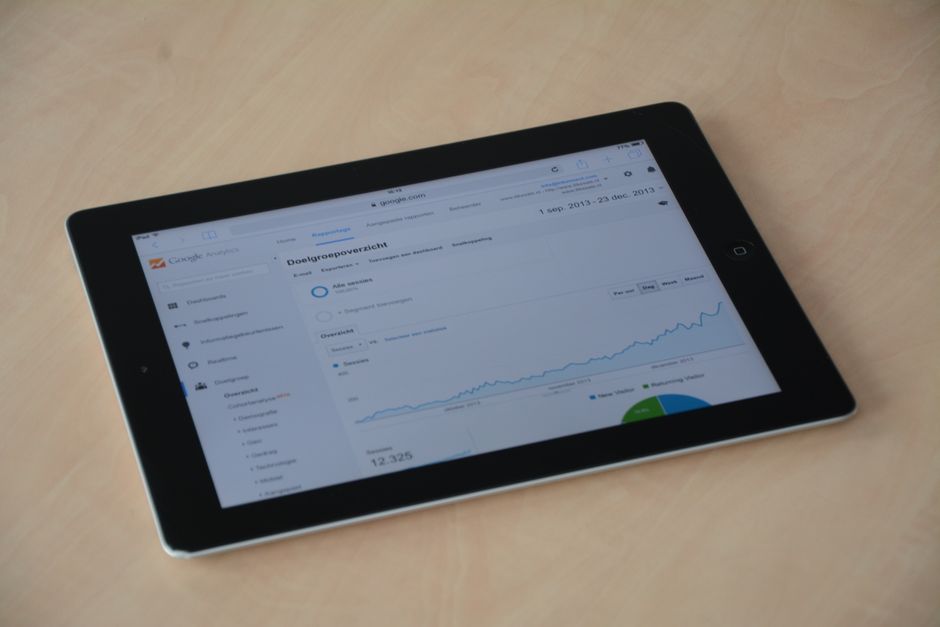
Open last month’s paid and organic reports side by side with the CRM’s “marketing sourced” column. If those three views tell three different stories, you do not have a channel problem. You have an ownership problem. Internet marketing agencies exist to hold traffic, creative, the page after the click, and the conversion signal in one loop. When any piece sits with a different vendor, a junior media buyer, or an unowned homepage, qualified pipeline drifts even while dashboards look busy.
Cross-industry average CPCs now sit in the $3-$6 range depending on vertical, up double digits year over year in competitive categories. Reported ROAS benchmarks range from 2x to 8x+ depending on vertical, AOV, and attribution model - which is exactly why blended figures are the wrong starting point. Those are directional, not promises. They also assume clean conversion setup, landing pages that match the ad, and someone who will kill 20-30% of SEM waste on irrelevant queries, neglected negatives, and mismatched destinations. That is the job. The rest of this piece is how marketing leaders inspect that job without getting sold a 2024 playbook in 2026 language.
The four leaks that eat spend before a qualified lead shows up
You will usually find the first leak in query and audience waste, not in “the algorithm.” Twenty to thirty percent of SEM budgets still go to junk intent, missing negatives, or Performance Max placements nobody reviewed. High CPC pressure then pushes new accounts back to manual bidding, which feels like control and often just slows learning. Mobile already accounts for 63%+ of paid search clicks, yet conversion rates still lag desktop by 30-40%. If your agency reports blended CVR, you are hiding the leak.
The second leak is the homepage. If a shop says they just send traffic to your homepage, run. Dedicated landing pages aligned to ad messaging still move conversion. One operational rebuild we see often is social proof and offer clarity on the post-click page, not another campaign split. Creative is your targeting on Meta now. Ads die after a few days even when the first 48 hours looked solid. Fatigue shows in rising CPMs before lead volume drops. If testing is ad-hoc, you do not have a creative engine. You have a content calendar pretending to be media.
The third leak is signal quality. Clients lose 20%+ of conversion data to ad-blockers and privacy changes. Smart bidding then optimizes on a broken picture. Last-click still double-counts the same conversion across channels. CM360-style views from Google Ads have been getting noisier since late 2025. Meta’s in-platform CPA diverging from CRM reality is not a mystery. It is mismatched attribution and missing server-side events. Event Match Quality scores do not reliably predict profitable outcomes. Treat them as hygiene, not a CFO answer.
The fourth leak is reporting cadence. Monthly PDFs bury issues. Marketing leaders need weekly, actionable notes: which creative died, which query cluster wasted spend, which form field spiked abandon, which landing variant actually booked consults or demos. Vague ROAS guarantees before anyone has seen the account, the unit economics, or the page are a red flag. Realistic results take 3-6 months. Anything that promises a specific CPL on day one is selling theater.
If those four leaks feel familiar, a short SEM and paid search review on structure, negatives, and landing match is usually a better next move than adding another platform.
How a full-stack internet marketing program actually runs in 2026
A working internet marketing agency does not “do SEO plus ads.” It runs a stack: intent clusters and information-gain pages for organic and AI surfaces, signals-over-keywords in Google (Enhanced Conversions, first-party data, fewer campaigns, broader targeting), creative-as-targeting on Meta with a systematic testing engine, and a page that protects conversion on mobile. Performance Max often drives the bulk of Search spend in mature accounts. Optimized PMax programs still land in a 4x-8x ROAS band when conversion setup is clean. Broad match + Smart Bidding programs, when the account is structurally stable, can deliver 10-20% lower CPCs than tightly-matched campaigns according to Google’s own lift studies - though results are account-dependent.
Organic is not a vanity traffic graph. SparkToro’s ongoing zero-click tracking put US no-click searches above 65% as of late 2024, a share that has continued to climb with AI Overviews. AI Overviews sit on more than 20% of queries and can cut CTR by nearly 60%. Volume is a dead metric. Information gain is what still moves the needle after the March 2026 core update. A growing majority of top-ranking pages now contain AI-assisted content, which means human perspective, proof, and citation share matter more, not less. Only 55.9% of origins pass all three Core Web Vitals (Chrome UX Report, Q1 2026). If INP is ugly on mobile, paid and organic both pay for it.
The operating judgment calls are unglamorous. Do you keep last-click for tactical debugging while you build incrementality tests and a first-party data strategy for the board? Do you run broad on Meta because creative is the targeting, or do you keep stacking 2020 lookalikes because someone is scared of waste? Broad targeting wastes money if the funnel is weak. Tight audiences waste money if the auction has moved. The agency you want can say which constraint you actually have.
Post-click, use behaviour evidence instead of opinions. HeyLead Insights is the right layer when form abandon, scroll depth, and CTA clicks explain why a 4.2x in-platform ROAS never shows up as pipeline. Pair that with dedicated landers, not a homepage with a hero slider. Tighter positioning and a clearer offer still beat adding TikTok, Reddit, and three extra dashboards.
DIY playbook: stand up the loop in order
Action checklist
- Export 90 days of paid search search terms and mark junk intent. Build negatives before you raise budgets. Name the jobs you sell (demo bookings, consults, quote requests), not "leads."
- Confirm Enhanced Conversions and a Conversions API (or equivalent) so you are not feeding smart bidding a 20% hole. Align CRM stages so "qualified" is not a form fill.
- Map each ad group or asset group to one landing URL with matching headline, offer, and proof. Kill homepage destinations.
- On Meta, cut to fewer campaigns, broader targeting, and a weekly creative batch. Treat UGC as a 5-6 day asset, not a quarterly hero video.
- Check Core Web Vitals and INP on the money pages. Mobile CVR lag of 30-40% is often a page problem wearing a media costume.
- For organic, inventory pages that only restate SERP consensus. Rebuild around information gain, original data, and answers AI Overviews can cite.
- Set a weekly ops note: wasted query $ , dying creatives, form drop-off, pipeline by source. Monthly-only reporting is how leaks hide.
- Refuse ROAS or CPL guarantees until the agency has seen the account, the offer, and unit economics. Ask who specifically will manage the account.
Free tools - try these yourself
Get a free marketing audit - we review your search, ads, and landing pages and send back what to fix first.
Get a free audit

Audit scorecard for internet marketing agencies you already pay
Pricing is noisy. Median digital retainers sit around $3,000 a month, PPC fees often 10-20% of spend, paid media management $8K-$25K, full-stack $20K-$75K. SaaS bands scale with ARR. A 5-10x spread for “similar” scope is common. You cannot shop on price. You shop on whether the stack above is actually staffed by seniors, not a pitch deck.
About 25% of agency reviews still cite quality of work and communication. Roughly 12.5% call out weak SEO outcomes. About 10% complain about outsourced content that is late or thin. Buyers also ask the same three questions in kickoff: Who specifically will manage my account? How do you handle negative keywords? What is your reporting cadence and format? If the answers are junior rotation, “the algorithm,” and a monthly slide, you already know the rest.
Use the scorecard below on your current partner or an in-house pod. Score the mechanism, not the awards slide. Account lock-in is a real risk if the agency owns the Google Ads login. Keep the account under your domain. Ask how they protect history if the relationship ends.
Audit scorecard
-
Named senior on the accountYou can name the person who changes bids, cre
Named senior on the accountYou can name the person who changes bids, creatives, and negatives. If the pitch team disappears after week two, the program will drift.
-
Dedicated landers, not the homepageEvery paid cluster has a matching URL
Dedicated landers, not the homepageEvery paid cluster has a matching URL, offer, and proof block. Homepages as destinations fail this item immediately.
-
Clean conversion setupEnhanced Conversions or CAPI live, CRM qualificati
Clean conversion setupEnhanced Conversions or CAPI live, CRM qualification defined, and no last-click only story for the CFO.
-
Negatives and query hygieneA living negative list and a documented revie
Negatives and query hygieneA living negative list and a documented review of PMax search themes. Silence here usually means 20-30% waste.
-
Creative testing engineBatch production, kill rules when CPM rises befor
Creative testing engineBatch production, kill rules when CPM rises before volume drops, and no single "hero" ad running for months.
-
Information gain, not word countOrganic pages add original proof
Information gain, not word countOrganic pages add original proof. AI-only drafts without E-E-A-T fail even if they rank for a week.
-
Weekly ops, not monthly theaterYou get decisions: pause, rebuild, reallo
Weekly ops, not monthly theaterYou get decisions: pause, rebuild, reallocate. You do not get a 40-page PDF of impressions.
-
No pre-account ROAS guaranteeThey refuse to lock CPL before seeing the a
No pre-account ROAS guaranteeThey refuse to lock CPL before seeing the account. They talk 3-6 months, not week-one virality.
If three or more items fail, adding budget will not fix it. Fix the stack, then scale. If you need help reading Core Web Vitals against paid CVR, use the analytics and attribution lens rather than another creative sprint.
What marketing leaders are seeing
A pattern we see often in B2B SaaS accounts: teams keep optimizing for form volume while Meta CPA looks cheap. CRM says 11 days later those leads never booked a demo. The fix is one landing offer and CAPI, not another lookalike.
A pattern we see often in multi-location services accounts: creative dies in five days and it gets treated like a bidding problem. CPM is the tell. Once hooks are batched weekly, Performance Max stops eating the Search budget.

FAQs
Do internet marketing agencies still need keywords if Google is “signals over keywords”?
Yes. Signals and first-party data run bidding. Keywords, intent clusters, and negatives still decide what you are willing to buy. Dropping search term review because PMax “drives the bulk now” is how waste returns.
Is automated bidding just inflating budgets?
It can, if conversion quality is junk or you reset learning with daily structure changes. With clean events and stable campaigns, automation usually beats panic manual bidding on mature accounts. New accounts with thin data are a different case.
Should we add more platforms before we fix Meta and Google?
Usually no. Tighter positioning, a clearer offer, and decent attribution beat a TikTok experiment when the current funnel leaks. New inventory does not repair a homepage destination or a 20% data hole.
How long before an internet marketing agency should show pipeline, not just traffic?
Plan on 3-6 months for a durable read. Faster spikes happen. Treating them as the new baseline is how you overspend in month two.
What should we own versus what should the agency own?
You own the offer, sales follow-up, and the ad accounts. The agency owns channel strategy, creative cadence, landing tests, and the tracking that ties spend to qualified pipeline. Split those and you recreate the four leaks.
Putting it to work
Execution sprint
This week
- Pull 30-90 days of performance for internet marketing agencies (Search Console, ads, CRM, or call logs - whatever you have).
- Flag the top leak: wrong intent, weak page, slow response, or dirty conversion tracking.
- Ship one fix on the highest-traffic money path (page, campaign split, or response rule).
- Run the free tools below on that same URL or account and log the findings.
Free tools for this sprint
Next 30 days
- Expand the fix to the next one or two money paths only after the first one shows cleaner bookings.
- Align creative, keywords, or content with the same offer the page now states.
- Review booked outcomes weekly; cut anything that still only produces unqualified volume.
This week
-
Pull 90 days of search terms, Meta CPM trend, and CRM-qualified leads by source into one sheet.
-
List every paid destination that is still the homepage and queue replacements.
-
Verify Enhanced Conversions or CAPI and one qualification event, not just form submit.
-
Kill or rebuild the three ads with rising CPM and flat leads.
-
Run the Core Web Vitals checker on your top three money URLs.
-
Ask your current partner, in writing, who manages the account and how negatives get reviewed.
Next 30 days
-
Stand up one dedicated lander per high-intent cluster with matched proof.
-
Batch a weekly creative set instead of one-off UGC.
-
Rebuild two organic pages for information gain, not word count.
-
Replace last-click-only reporting with a simple source-to-SQL view plus one incrementality note.
-
Decide whether the retainer is buying the stack above or a dashboard.
Start by lining wasted query spend against landing mismatch and broken conversion signals. That is the mechanism most internet marketing agencies under-own, and it is the work HeyLead runs as an ongoing program so you are not restitching media, pages, and attribution every quarter. If you want that loop off your plate, Chat with us on WhatsApp.
Free marketing audit, or reach Martin directly:
Get a free audit Connect on WhatsApp · martin@heylead.com