
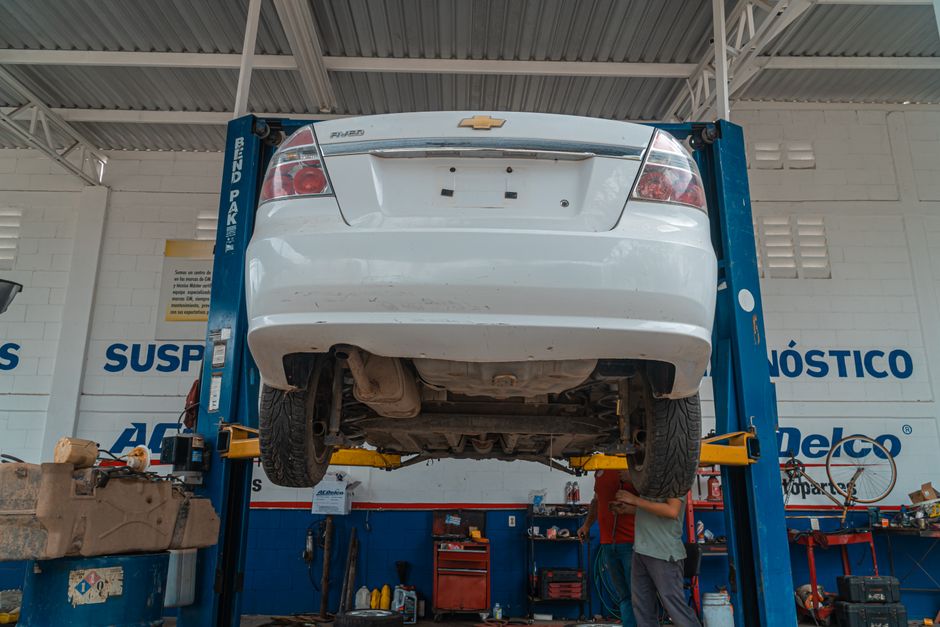
The bay is full, the phone is ringing, and the Google Ads dashboard still looks “healthy.” Then you open the actual form submissions: “how much for a detail,” “do you buy cars,” and a handful of people who wanted a used-parts lot two zip codes over. That is not a bidding problem. That is a page problem. Auto repair shops leak qualified jobs when the click lands on a homepage that tries to sell oil changes, alignments, fleet work, and collision in the same hero.
Brake and diagnostics terms routinely clear $10-$18 CPC in competitive metro markets (WordStream 2024 vertical data). Mobile already takes 63%+ of paid search clicks, and those sessions convert 30-40% worse than desktop if the page is slow, cramped, or vague. Twenty to thirty percent of SEM budgets still get burned on irrelevant queries, neglected negatives, or a landing page that does not match the ad. Dedicated landing pages for auto repair companies exist to stop that leak: one job, one promise, one next step, measured against booked work, not vanity form volume.
When the homepage becomes the most expensive bay in the shop
Most shops still send “brake pads near me,” “check engine light,” and “fleet maintenance” traffic to the same URL. The ad promised same-day diagnostics. The page opens with a carousel, a 12-service grid, and a “request a quote” form that asks for a VIN before it asks for a phone number. You paid for urgency. You delivered a brochure.
Buyers already know the tell. If a partner says they just send traffic to the homepage, run. Alignment between the query, the ad copy, and the first screen is the whole game. A driver with a grinding noise does not want to hunt for ASE badges in a footer. They want hours, the service they searched, a photo of the actual bay (not stock), and a click-to-call that works with one thumb.
You also lose signal. Ad blockers and privacy changes wipe 20%+ of conversion data. If the only event you fire is a generic “form submit” on a mega-menu site, smart bidding learns the wrong people. Dedicated pages let you fire tighter events: call from brakes page, book-now from inspection page, chat from towing. That is how you keep ROAS in the conversation when published cross-industry ROAS benchmarks hover around 4x for search and under 3x for Meta - numbers that collapse fast when a form lead never drops a car. Auto repair is not SaaS; a “lead” that never drops a car is worthless.
Speed is not a vanity score here. Only 55.9% of origins pass all three Core Web Vitals in May 2026 CrUX data. Interaction to Next Paint (INP) is the one that kills mobile tap-to-call. A 4-second hero video of a spinning tire looks premium in the boardroom and expensive on a lunch-break phone. Cut the motion. Keep the number sticky.
If paid search or Meta is already driving volume and the diary still has holes, the handoff after the click is the first place to look. Landing page and conversion work should sit next to the media plan, not after it.
Match the job, not the brand story: one page per high-intent service
Build pages the way the shop actually sells work. Emergency diagnostics, brakes, oil and filter, AC recharge, tires, alignments, state inspection, fleet PM, and towing or roadside (if you really run it) each deserve their own URL when you spend against those terms. Do not clone the same template and swap an H1. Change proof, hours, pricing posture, and the form.
Write the first screen like a service writer, not a brand deck. Headline: the service plus the city or corridor you actually cover. Subhead: wait time, loaner, shuttle, or “we diagnose before we sell parts.” Primary CTA: call now on mobile, book a drop-off on desktop. Secondary: text the shop. Put ASE, manufacturer, or fleet credentials in a single row of logos, not a paragraph of history.
Offers that convert in this trade are operational, not coupon-coded nonsense. “Free multi-point with any brake job.” “Same-day diagnosis if you arrive before 10 a.m.” “Written estimate before we turn a wrench.” Price ranges beat “call for pricing” when the job is standardized (oil, wipers, inspection). For engines and transmissions, promise a diagnostic fee that applies to the repair, not a fake “from $49” that makes the estimator look dishonest.
Proof has to be local and specific. A 4.8 star rating with 200 reviews is table stakes. Better: a 12-second clip of a tech showing a scored rotor, a photo of the waiting area, a fleet logo you actually service, and a review that names the highway or neighborhood. Social proof on a page has moved conversion rates in CRO tests from the low thirties into the low forties; you do not need a lab study to know a driver trusts a named job more than a stock handshake.
After the click, you still need to see where thumbs stall. Session recordings and heatmaps in HeyLead Insights show the classic auto-repair pattern: people expand the hours accordion, try to pinch-zoom a buried phone number, then bounce when the form asks for year/make/model before they can tap Call. Fix that sequence and your CPC can stay ugly while cost per booked RO still drops.
Audit scorecard
-
Intent match on loadIf the ad said brakes, the H1, hero, and first CTA m
Intent match on loadIf the ad said brakes, the H1, hero, and first CTA must say brakes. No homepage hero, no “full service auto care” waffle. Fail this and you are training Google on junk conversions.
-
One thumb to a humanSticky click-to-call, visible hours, and a short for
One thumb to a humanSticky click-to-call, visible hours, and a short form (name, phone, vehicle, issue). VIN and insurance upload come after they commit. Missed calls after 6 p.m. need a recorded line or SMS, not a dead form.
-
Mobile INP and Core Web VitalsCompress hero images, kill autoplay video,
Mobile INP and Core Web VitalsCompress hero images, kill autoplay video, defer chat widgets until after first paint. If tap-to-call lags, you paid for a rage tap. Check the origin, not just the lab score.
-
Proof of this shop, this bayReal techs, real tickets, real reviews that
Proof of this shop, this bayReal techs, real tickets, real reviews that mention the service. Stock “happy family with keys” photos read as a chain that does not exist.
-
Offer that a service writer would honorIf the estimator will not say it
Offer that a service writer would honorIf the estimator will not say it on the phone, do not put it on the page. Diagnostic-fee-applied and same-day slots beat 20% off that wrecks margin.
-
Events that mean a car, not a clickFire call clicks, booked drop-offs, a
Events that mean a car, not a clickFire call clicks, booked drop-offs, and SMS starts as separate conversions. Do not let newsletter signups train Performance Max. Enhanced Conversions and first-party data matter when 20% of pixels go dark.
-
Message match from ad to pageReuse the ad’s exact phrase in the H1 and t
Message match from ad to pageReuse the ad’s exact phrase in the H1 and the first 100 words. Mismatch is how 20-30% of SEM spend quietly dies even when Quality Score looks fine.
-
Trust without a novelWarranty language, parts policy (OEM vs aftermarket
Trust without a novelWarranty language, parts policy (OEM vs aftermarket), and “you approve before we repair” in three short lines. Long warranty PDFs belong after the call.
Get a free marketing audit - we review your search, ads, and landing pages and send back what to fix first.
Get a free audit
A brakes campaign that stopped paying for tire kickers
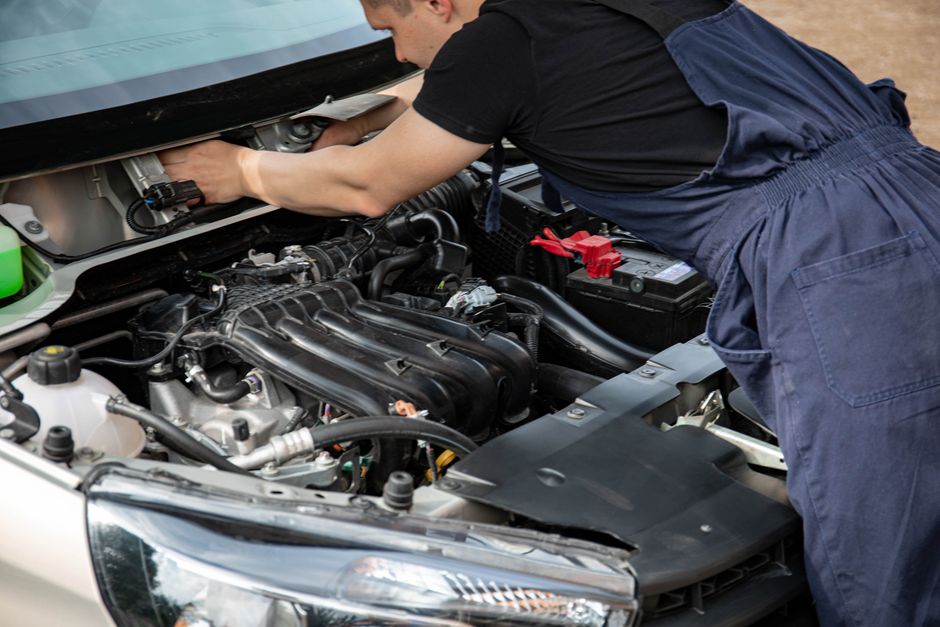
A two-location shop in the Baltimore-Washington corridor was spending against “brake repair” and “brake pads near me.” Traffic hit the homepage. The service writer swore the leads were “just price shoppers.” The mechanism was simpler: the hero sold a $29.99 oil special. Brake searchers landed, saw oil, and either bounced or filled the form asking for the special. Smart bidding learned oil-change intent.
They split a dedicated brakes URL. H1 named the service and the two towns. The first screen showed a scored rotor photo from their own camera roll, hours, and “same-day if you drop before 11.” Form fields: name, mobile, year/make/model, “grinding / pulling / light on.” Call tracking number unique to that page. They added three reviews that mentioned warped rotors and a highway exit, not “great guys.”
Two numbers changed. Form-to-show rate moved from a sloppy 4.2% of sessions into the high teens for that URL, and the estimators stopped opening tickets that were oil coupons. CPC did not magically fall. Cost per car that actually rolled in did. That is the only ROAS that matters in a shop: parts and labor on the board, not a green conversion column.
A second shop tried the opposite: one “auto repair landing page” for every campaign, including fleet PM. Fleet managers wanted net-30, unit numbers, and a PDF of the PM checklist. Consumers wanted a loaner. Mixing them produced neither. Split the fleet page, put a short company-name field and “how many units,” and keep consumers on the consumer template. Fewer campaigns, clearer pages, broader targeting on the ads, tighter funnels on the site. Creative can be your targeting on Meta; the page still has to finish the sentence.
Action checklist
- Export 90 days of search terms and Meta ad names. Group into real jobs: brakes, diagnostics, oil, AC, tires, inspection, fleet, towing. Kill spend on jobs you cannot staff this week.
- For the top three jobs by spend, draft a one-screen page: H1, hours, click-to-call, three-field form, one shop photo, one review that names that job.
- Map each ad group or asset group to that URL only. If Performance Max is “driving the bulk now,” feed it those URLs as assets, not the homepage.
- Install call and form events per page. Strip newsletter and “chat opened” out of the conversion actions used for bidding.
- Run the page through H1, title, meta, OG, schema, and Core Web Vitals checks before you raise budget. Fix INP before you argue with automated bidding.
- Sit with a service writer for one hour. Cross out any headline they would not say on the phone. Rewrite the offer in their words.
- Watch the first 25 sessions on the new URL. If people hunt for the number, move it. If they abandon at VIN, delete VIN.
- Give it 2-3 weeks of stable structure. Daily URL swaps reset learning. Iterate copy and proof, not the campaign skeleton every morning.
Free tools - try these yourself
Measurement that counts cars, not form spam
Last-click still double-counts when someone calls from the page and later books on Google. Treat in-platform CPA as a directional gauge, not the P&L. Tie unique numbers and form IDs back to ROs in the shop system, even if that is a weekly spreadsheet at first. Quality leads, not more leads, is the language owners already use when they are tired of $40 “quotes” that never show.
UTMs on every ad. Separate call conversions from form conversions. If you use Performance Max, do not let it optimize to a blended “lead” that includes a parts-counter inquiry. Mobile vs desktop split is mandatory: aggregate “conversion rate” hides a desktop page that works and a mobile page that does not.
FAQ schema on service pages can help you show hours, payment, and “do I need an appointment” without stuffing the hero. Validate it. Do not ship fake FAQ copy written for bots. Drivers still ask those questions; put the real answers the service writer gives at 7:45 a.m.
You will not get a guaranteed CPL from anyone who has not seen your account, your pages, and your close rate. Realistic lift takes months of iteration, not a weekend of new headlines. The shops that win treat the landing page like a bay: scheduled, inspected, and pulled offline when it is making noise.
FAQs
Do auto repair companies need a unique landing page for every service?
Not for every SKU in the catalog. You need unique pages for the jobs you actually buy traffic against: the high-intent, high-margin, or high-urgency work. Oil, brakes, diagnostics, and fleet usually pay for themselves. Niche add-ons can share a well-structured service page until spend justifies a split.
Should the page collect year, make, and model before the phone number?
Phone first on mobile. Year/make/model can sit on the same short form, but do not gate the call button behind a five-field wizard. Estimators would rather talk to a human with a noisy wheel than read a perfect VIN from a no-show.
Is a homepage good enough if organic rankings are strong?
Organic can live on service pages in the main nav. Paid still needs message match and a quieter layout. Mixing paid query intent into a homepage with 11 CTAs is how you fund other people’s curiosity.
How fast does the page need to be?
Fast enough that tap-to-call feels instant. If you fail Core Web Vitals, especially INP on mobile, fix media and third-party chat before you add another testimonial slider. More than half of origins still fail the full CWV set; do not join them on a paid URL.
What if Meta creative dies in a few days?
That is common. Refresh the hook and the first three seconds, but keep the same landing URL so learning on the funnel is not reset. Creative is targeting. The page is the closer. Do not rebuild both every time CPM ticks up.
Putting it to work
Execution sprint
This week
- Pull 30-90 days of performance for auto repair (Search Console, ads, CRM, or call logs - whatever you have).
- Flag the top leak: wrong intent, weak page, slow response, or dirty conversion tracking.
- Ship one fix on the highest-traffic money path (page, campaign split, or response rule).
- Run the free tools below on that same URL or account and log the findings.
Free tools for this sprint
Next 30 days
- Expand the fix to the next one or two money paths only after the first one shows cleaner bookings.
- Align creative, keywords, or content with the same offer the page now states.
- Review booked outcomes weekly; cut anything that still only produces unqualified volume.
This week
-
Pull 60 days of paid clicks by landing URL and mark every row that is still the homepage.
-
Pick the highest-spend job (usually brakes or check-engine) and ship a one-screen page with call tracking.
-
Run that URL through the Core Web Vitals, H1, title, and meta checkers and fix what fails.
-
Remove newsletter and chat-open events from the conversion actions used for bidding.
-
Sit with a service writer and rewrite the offer in the words they already use on the phone.
Next 30 days
-
Split a second job (fleet or diagnostics) onto its own URL and feed Performance Max those pages as assets.
-
Watch session recordings for form abandon and move the phone number until rage taps disappear.
-
Reconcile 20 booked ROs back to source so you are scoring cars, not forms.
-
Add FAQ schema only for questions the front desk actually answers.
-
Hold campaign structure still while you iterate proof and speed.
Start by opening last month’s paid search terms next to the URLs they hit. If “brake pads” still lands on a homepage selling oil, that mismatch is the job. HeyLead builds and tests the service-specific landing pages, tracking, and post-click proof so auto repair companies stop paying for the wrong bay. Chat with us on WhatsApp
Free marketing audit, or reach Martin directly:
Get a free audit Connect on WhatsApp · martin@heylead.com