
Walk down any high street in Leeds, Bristol or Croydon and you will see the same pattern: three salons within 90 metres, similar balayage boards in the window, and a diary that is feast-or-famine by postcode. Marketing leads at multi-chair groups do not lose chairs because nobody searches. They lose them because “hairdresser near me”, “balayage [town]” and “walk-in colour Manchester” resolve to a Maps pack that still shows last year’s hours, a GBP with stock photos, and a site that dumps every service onto one homepage.
Local SEO for hair salon companies in the UK is not a ranking trophy. It is how you capture the 2-mile radius that actually books colour, cuts, and bridal trials, in pounds, not impressions. Zero-click search is real: a large share of Google queries never leave the results page. If your Business Profile, photos, and service pages do not do the selling in that pack, you never get the click, let alone the chair.
Why UK salon groups rank for the wrong town and still sit empty on Tuesdays
Most salon groups treat Google Business Profile as a listing they claimed in 2019. Categories sit on “Hair salon” only. Services are a dump of “cut and blow”, “colour”, and “extensions” with no prices in GBP, no duration, and no stylist names. Photos are a mix of the fit-out and a few Instagram crops. Reviews arrive in bursts after a bridal season, then stall. Google still shows you in a neighbouring borough because NAP (name, address, phone) on the site footer, directories, and GBP do not match the trading name on the fascia.
That mismatch is expensive. Someone searching “best colourist in Clapham” is not looking for a national brand homepage. They are looking for a pack result with recent work, a price cue, and a tap-to-call or Book button. If your primary category is wrong, or you never added “Hair colourist” / “Makeup artist” as additional categories where they are honest, you lose the query to the independent two doors down who posts weekly photos of foils and afters.
Paid search will not paper over this. UK hair and beauty CPCs on colour and bridal terms typically run £1.50-£3.50 depending on city and competition, and have trended upward since 2022 - meaning organic Maps visibility is cheaper to hold than it is to buy back via Ads. Google Ads can still return a solid ROAS when the landing page matches the query, but 20-30% of SEM budgets still leak on irrelevant queries and homepages. If organic Maps is broken, you are paying to recapture demand you already earned. Mobile is most of those searches. If your page fails INP or the booking widget sits below a 4,000-word manifesto, conversion lags desktop by a wide margin even when you “rank”.
AI Overviews now sit on a meaningful slice of queries and cut click-through when they appear. For salons, that usually means Google answers “how much is a balayage in the UK” without sending the user anywhere. Your job is to be the cited local business in the pack and on the service page, not to win a generic “what is balayage” essay. Information gain (specific prices, process, aftercare, who does the work in which chair) beats another AI-flavoured blog. The majority of top-ranking pages now include AI-assisted text, which is precisely why information gain - real prices, real process, real stylist names - differentiates you.
If you already know the GBP is stale and the service pages are a mess, a focused UK SEO programme that treats Maps, pages, and reviews as one system is faster than another round of blog posts about “hair trends”.
How Maps, GBP, and service pages actually fill colour and cut books
Local SEO that fills chairs in the UK is three layers that have to agree: the Business Profile, the location page (or pages, if you have more than one site), and the way you measure booked services rather than “website visits”.
Start with the query map your front desk already knows. High intent: “hair salon near me”, “[service] [area]”, “walk in haircut [town]”, “balayage [postcode]”, “bridal hair [town]”. Mid intent: “best hairdresser in [borough]”, “keratin treatment [city]”. Low intent content can wait. You do not need 40 articles. You need one honest page per money service per location, plus a GBP that looks like the salon a human would trust at 11 a.m. on a Saturday.
GBP work that moves the diary: primary category that matches what you actually sell most of (Hair salon vs Hair colourist vs Barber shop - pick the truth). Service list with GBP prices where you can, even if it is “from £45 cut and blow, from £120 full head colour”. Hours that include late nights and Sunday if you trade them. Products if you retail. Description that names the area, the services, and parking or station, not a mission statement. Photos: exterior with the fascia (so Google can match Street View), interior, and a weekly drip of finished colour and cuts. Google Posts for offers, new stylists, and seasonal colour, not “we’re open!” every Monday.
On-site, each location needs a unique NAP in the footer and in schema, a map embed that is not a screenshot, and service blocks that repeat the GBP language. Do not clone “welcome to our luxury salon” across six sites with the town name swapped. Google has seen that pattern for a decade. Staff bios with who takes colour vs cuts vs keratin help both E-E-A-T and the human booking the right chair. If traffic lands and then dies, watch the page the way a floor manager watches the desk: scroll, rage taps on the Book button, form abandon. HeyLead Insights is built for that post-click picture so you are not guessing why Clapham converts and your second site does not.
Only 55.9% of origins pass all three Core Web Vitals in recent CrUX data. Salon sites stuffed with unoptimised gallery carousels fail INP on the exact phones people use on the pavement. Compress the lookbook. Keep the booking widget above the fold on mobile. If the widget is a third-party iframe that takes 4 seconds, you are ranking for a call that never happens.
Audit scorecard
-
GBP vs fascia vs footerPrint the trading name on the window, the GBP tit
GBP vs fascia vs footerPrint the trading name on the window, the GBP title, Companies House if you use it in citations, and the site footer. If one says “Luxe Hair Clapham” and another says “Luxe Hair Ltd”, fix it this week. Inconsistent NAP is still the quiet reason you rank in the wrong borough.
-
Categories and services in GBPPrimary category must match the diary’s ma
Categories and services in GBPPrimary category must match the diary’s main revenue. Add only additional categories you can defend. List colour, cuts, treatments, bridal, and barbering as separate services with from-prices in GBP and typical duration so the pack can show a useful snippet.
-
Photo cadence, not a dumpTen new photos in one day then silence for six
Photo cadence, not a dumpTen new photos in one day then silence for six months underperforms a weekly upload of real chairs. Cover exterior, interior, and finished work. Geotag is less important than recency and authenticity. Stock images of models who never sat in your chair get ignored.
-
Review velocity by locationA 4
Review velocity by locationA 4.9 from 40 reviews two years ago loses to a 4.6 with 12 reviews this quarter. Ask at the desk after colour, not via a generic SMS blast that Google can treat as gated. Reply to every review in British English, including the 3-stars about parking.
-
One URL per money service per siteBalayage in Manchester should not shar
One URL per money service per siteBalayage in Manchester should not share a URL with a kids’ trim in a different city. Unique H1, unique proof, unique FAQs (patch test, aftercare, how long it takes). Duplicate town-swap pages are why multi-site groups stall.
-
Mobile book pathFrom pack to first
Book tap should be one screen. Test on a mid-range Android on 4G outside the salon. If the widget fails Core Web Vitals, fix that before you commission another blog.
-
Citations that match, not a sprayTreatwell, Fresha, Apple Maps, Bing Pla
Citations that match, not a sprayTreatwell, Fresha, Apple Maps, Bing Places, Yell, and the relevant city directories. Same NAP. Do not buy 200 citations from a listicle vendor. A few clean ones beat a swamp of dead UK.biz clones.
-
What you count as a winTrack calls from
GBP, direction requests, booking widget completions, and which service page they came from. Vanity organic sessions from a “hair trends 2026” post do not pay colour hours. If last-click says SEO did nothing, you are probably missing call tracking and GBP insights.
Action checklist
- Export last 90 days of GBP insights (calls, website taps, direction requests) per location and mark which days the diary was actually full vs empty.
- List the five services that pay the rent (e.g. full head colour, balayage, cut and blow, keratin, bridal). Ignore everything else until those pages exist.
- Rewrite each service page H1 as the query a local types, not the brand slogan. Example: “Balayage in Didsbury, from £140” rather than “Our signature colour experience”.
- Align GBP services and prices to those pages. Link the website field to the location page, not the national homepage.
- Fix NAP, then run a local SEO pass on titles, H1s, and indexation so Google is not indexing a staging subdomain or three near-duplicate location URLs.
Free tools - try these yourself
Get a free marketing audit - we review your search, ads, and landing pages and send back what to fix first.
Get a free audit
A three-chair colour studio in Didsbury that ranked for the wrong postcode
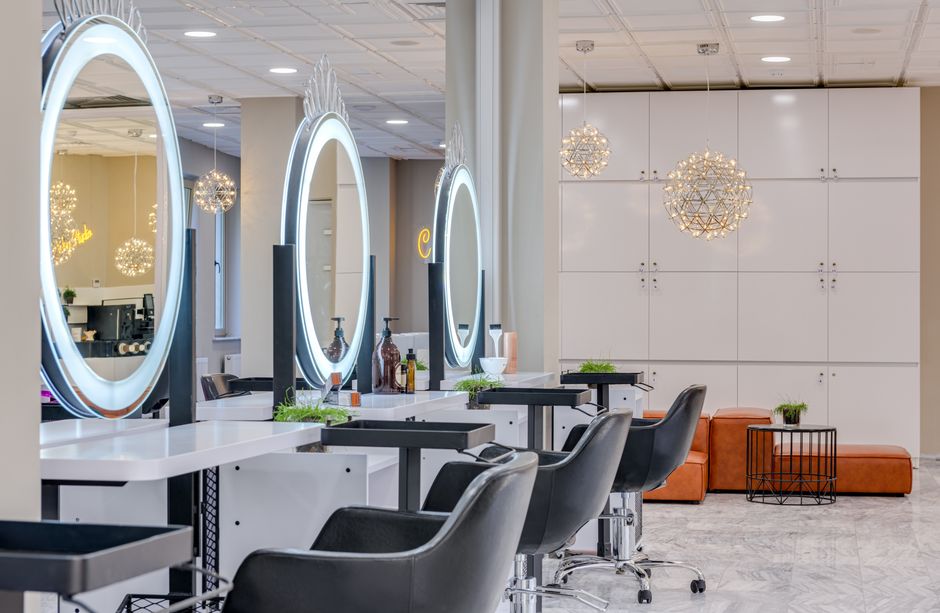
A Manchester group ran two brands under one GBP for a year because the old trading name still sat in the title. Google showed them for a neighbouring M-postcode they did not serve. Direction requests looked healthy. The diary for Tuesday colour was not. The mechanism was simple: the address on the profile was the registered office, not the salon door. Once they split the listing, put the door address in every citation, and pointed the website field at /didsbury-balayage/, pack visibility for “balayage Didsbury” moved in about 11 days. Booked colour hours followed, not homepage sessions.
They also stopped publishing 800-word “trend” posts that never named a price. The pages that moved were ugly on purpose: process, patch-test policy, from-prices in GBP, three after photos, and the stylist who actually takes the work. That is information gain. Volume of URLs was a dead metric for them.
A second site in the same group kept sending Maps traffic to a national homepage with a store locator that required three taps on mobile. Call volume from GBP stayed flat until the locator was replaced with a single location landing page and a sticky Book bar. No new backlinks. Same reviews. The click path was the leak.
What to measure so local SEO pays colour hours, not vanity views
If you only watch organic sessions, you will kill the work that fills late-night colour. GBP calls and direction requests often convert better than the blog. Set UTMs on the website button in GBP (use a consistent builder so Clapham and Didsbury do not share one soup of parameters). In GA4, mark booking complete, click-to-call, and “book via widget” as conversions. If 20% of conversion data is missing because of blockers and consent, you will under-train any paid support you run later. Clean first-party events matter even when this article is about organic Maps.
Reconcile weekly with the till or booking software: service type, location, new vs returning. If “SEO” leads are all £28 trims while colour sits empty, your pages and GBP services are attracting the wrong query. Tighten the copy and the photos toward the job you want. Do not add more towns.
AI Overviews will still steal some informational clicks. That is not a reason to abandon local SEO. It is a reason to stop competing for “how to tone blonde hair at home” and keep competing for “toner appointment [area]”. Citation share in local packs and Maps still books chairs. SERP impression visibility in the pack is the KPI. CTR on a blog post is not.
Reporting that only lands once a month buries a GBP suspension, a hours error after a bank holiday, or a review spike you should have answered. A short weekly glance at pack presence, photo recency, and booking events is enough. You do not need a ritual calendar. You need someone who notices when Sunday hours flip to closed by accident.
FAQs
How long until a UK salon sees booked chairs from local SEO?
GBP hygiene (hours, photos, NAP, services) can move pack behaviour in days. New service pages usually need a few weeks to settle. Anyone promising a full ranking overhaul in seven days is selling a story. Plan for 3-6 months of compounding, with earlier wins from listings that were simply wrong.
Do we still need Google Ads if Maps is working?
Often yes for competitive high streets and branded defence, but do not use ads to hide a broken profile. Paid search average ROAS across industries sits around 4.2x when tracking and pages are aligned. If 20-30% of spend hits the homepage, fix the organic and landing match first.
Should every location have its own domain?
Almost never. One domain, unique location URLs, unique NAP and content. Separate domains split reviews and confuse GBP. Use them only if the brands are truly different businesses.
Are AI-written service pages enough?
AI copy can handle structure and meta - it cannot photograph the balayage your senior stylist did on Thursday or name the Olaplex bond builder you actually stock. Pages that rank for money queries in UK salons have prices, real images, and a named stylist. Without those, a town-swap AI page will plateau at position 8-12 and never move.
What if we use Treatwell or Fresha as the website?
You can rank a GBP with a marketplace URL, but you give up on-page control, speed, and proof. Better: your location page with the widget embedded, GBP website field pointing at you, marketplace as a citation not the homepage.
Putting it to work
Execution sprint
This week
- Pull 30-90 days of performance for hair salons (Search Console, ads, CRM, or call logs - whatever you have).
- Flag the top leak: wrong intent, weak page, slow response, or dirty conversion tracking.
- Ship one fix on the highest-traffic money path (page, campaign split, or response rule).
- Run the free tools below on that same URL or account and log the findings.
Free tools for this sprint
Next 30 days
- Expand the fix to the next one or two money paths only after the first one shows cleaner bookings.
- Align creative, keywords, or content with the same offer the page now states.
- Review booked outcomes weekly; cut anything that still only produces unqualified volume.
This week
-
Pull 90 days of GBP calls, direction requests, and website taps per location and sit them next to colour vs cut hours in the diary.
-
Fix trading name, address, and phone so fascia, GBP, and footer match.
-
Add from-prices in GBP for the five services that pay the rent.
-
Point the GBP website button at the location page, with UTM parameters from a proper builder.
-
Run the location URL through a Core Web Vitals and H1 check on mobile.
-
Upload five real photos (exterior, interior, three finishes) rather than a campaign dump.
Next 30 days
-
Ship one unique service page per money service for your busiest site.
-
Clean the main citations (Apple, Bing, Treatwell, Yell) to the same NAP.
-
Reply to every review and set a desk prompt that is not a gated “review for discount”.
-
Turn booking complete and click-to-call into GA4 conversions you actually trust.
-
Kill or noindex the town-swap blog posts that never named a price or a chair.
If the Maps pack, GBP services, and location pages still disagree, HeyLead can own that local loop for UK salon groups so chairs fill from the right postcode instead of the registered office. Chat with us on WhatsApp
Free marketing audit, or reach Martin directly:
Get a free audit Connect on WhatsApp · martin@heylead.com