
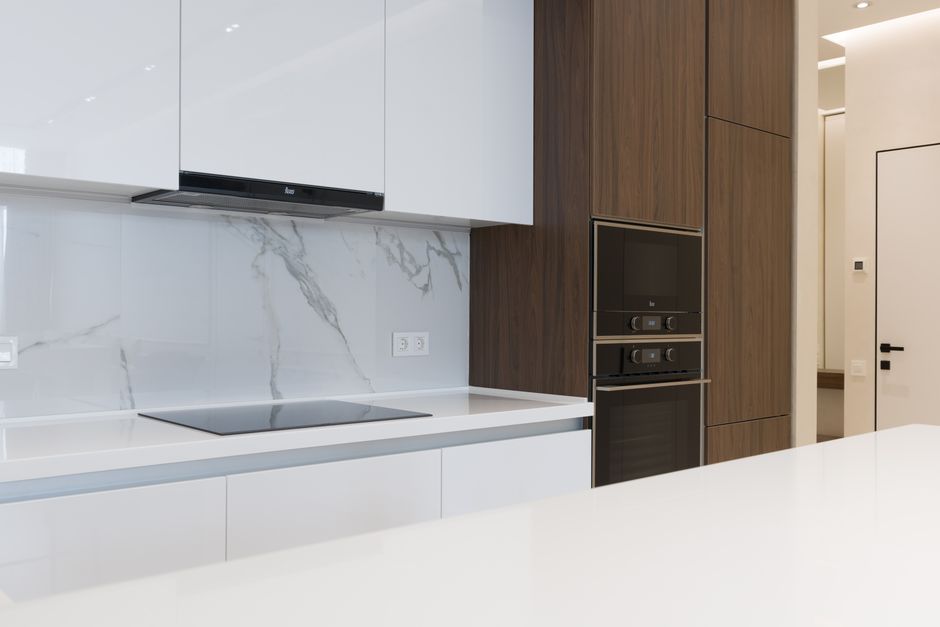
Saturday morning in a Punggol BTO, the family group chat lights up with screenshots of cabinet finishes. Someone drops an Instagram Reel of a two-tone laminate L-shape. Another replies with a WhatsApp number from a story ad. Nobody opens Google first. The decision window is short, visual, and social. That is the real booking path for many kitchen renovations jobs in Singapore now, and it is why Meta can either fill your diary with site visits or burn SGD on tyre-kickers who only wanted free 3D concepts.
This piece is a straight comparison for owners and marketing leads running HDB, condo, and landed kitchen work: which Meta setups book measured jobs, and which ones only inflate Instant Form counts while your WhatsApp stays quiet after 9pm.
We will stay on Meta (Facebook and Instagram), not search. Search still catches high-intent “kitchen renovation HDB package” queries. Meta wins earlier, when the homeowner is still collecting looks, asking the spouse, and saving Reels. Treat creative as targeting, demand speed-to-lead on WhatsApp, and judge success by site visits and signed packages in SGD, not by cheap CPL screenshots.
Why kitchen leads from Meta die between the form and the site visit
Kitchen renovation buyers in Singapore do not behave like someone ordering aircon servicing. Ticket sizes run from a few thousand for a compact HDB wet kitchen refresh into five figures for condo full gut-outs with stone tops and appliance packages. GST at 9% sits on the quote. PayNow deposits are common once trust is there. Until then, the buyer is comparing mood boards, asking about HDB renovation permits, wet vs dry layouts, and whether your team has done their estate before.
Meta’s auction rewards scroll-stopping creative and broad delivery. That is good for reach and terrible if your offer is “Free consultation” with no proof, no price band, and a 12-hour reply lag. You get names. You do not get Saturday site visits.
Three failure modes show up constantly:
-
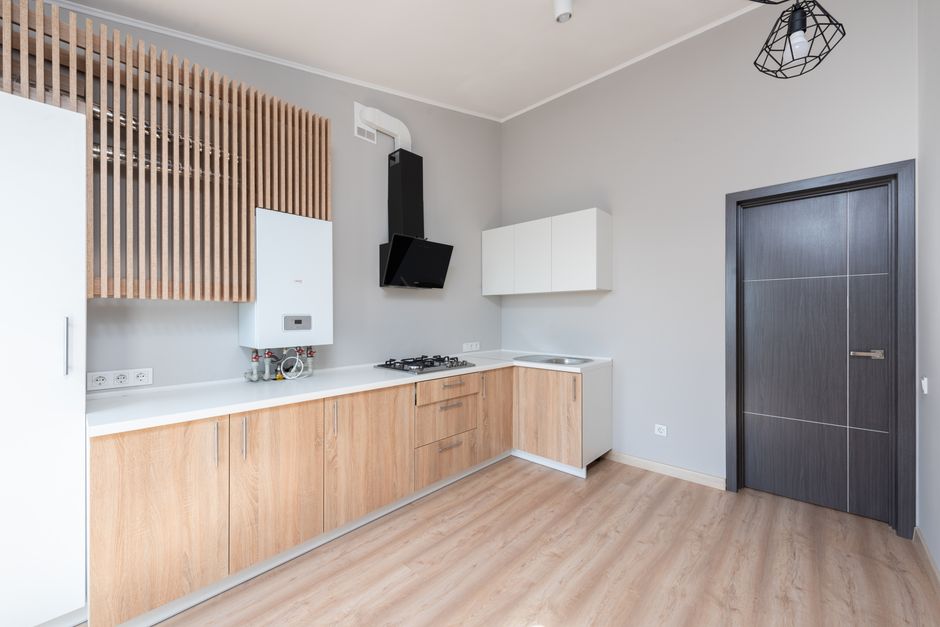
Lifestyle porn with no job shape. Pretty white kitchens with no HDB context, no before/after of a 3-room or 4-room, no mention of package bands. Scrollers save the Reel and never enquire.
-
Instant Forms optimised for volume. Five fields, vague “budget” dropdowns, no qualification on timeline or property type. Your coordinator spends Monday filtering students, landlords fishing for rental photos, and people who wanted a single cabinet door replaced.
-
Slow handoff. Lead hits the CRM at 11pm. First human reply Tuesday afternoon. By then two other firms already sent WhatsApp catalogues and a provisional slot for the measure.
Attribution makes it worse. Meta’s reported CPA and your closed-job sheet disagree. Ad blockers and privacy changes remove a chunk of signal. Smart bidding chases the wrong events if you only optimise for “Lead” and never feed back booked site visits or signed contracts. Creative fatigue arrives in days, not weeks: CPMs climb first, then volume falls, while the same three static posts keep running because nobody built a testing bench.
If your partner only “sends traffic to the homepage,” run. Kitchen ads need a dedicated landing experience or a tightly scripted Instant Form path that mirrors the creative, with proof stacked for Singapore property types.
When the post-click story is the bottleneck, a focused Meta Ads programme that ties creative, forms, and WhatsApp response SLAs to booked jobs beats a generic social boost.
What works on Meta for Singapore kitchen renovations
High-intent Meta for this niche is not “interest: home improvement” stacked five deep. In 2026 delivery, creative is your targeting. Broad or Advantage+ structures with strong hooks outperform the old lookalike pile when the creative clearly selects HDB vs condo vs landed buyers and the funnel qualifies hard.
Directional reality check, not a promise: In our experience across home-services accounts, Meta’s closed-job ROAS tends to run lower than branded search - which is expected given where in the funnel it operates. Kitchen renovations are long-cycle and offline-heavy, so treat platform ROAS as a clue, not the scoreboard. Your scoreboard is cost per qualified site visit and cost per signed package in SGD after GST handling is clear in the sales process.
Playbook: Meta that books kitchen site visits
-
Define the job, not the vibe. Separate ad sets or at least creatives for HDB package kitchens, condo open-concept, and landed wet kitchens. Name the property type in the first three seconds of video or the first line of primary text.
-
Lead with proof Singaporeans recognise. Before/after of a Tampines 4-room, a Woodlands executive apartment kitchen, a Central condo island. Show permit-friendly sequencing if you handle HDB paperwork support. Reviews with estate names beat generic five-star badges.
-
Price bands without locking yourself in. “HDB kitchen packages from SGD X (ex-GST)” or “Typical 3-room full replacement in the SGD Y-Z range” filters dreamers. Soft ranges still cut junk leads.
-
Choose Instant Form vs landing page on purpose. Instant Forms win on mobile friction if questions are sharp: property type, timeline (ASAP / 1-3 months / researching), approximate budget band, preferred contact (WhatsApp first). Landing pages win when you need galleries, package tables, and trust blocks. Never send kitchen ads to a general renovation homepage.
-
Make WhatsApp the primary response channel. Auto-ack in under a minute. Human follow-up inside 15-30 minutes during operating hours, first thing next morning for late leads. Share a short catalogue PDF or Loom walkthrough of similar kitchens, not a “we will call you someday” line.
-
Retarget with utility, not more beauty shots. Frequency-capped sequences: measure process, timeline from deposit to install, material samples, FAQ on HDB guidelines, crew insurance, and aftercare. Exclude recent converters and people who already booked a visit.
-
Optimise for quality events. Fire a standard Lead only if the form is qualified. Prefer a custom event or CRM-fed offline event for “site_visit_booked” and “package_signed”. Use Conversions API plus browser pixel so signal loss does not wreck delivery.
-
Run a creative bench, not a hero ad. UGC-style walkthroughs, founder-on-camera estate tips, static before/after carousels, and short Reels that stop the doom scroll. Expect strong creatives to fade in days; schedule replacements before CPM spikes force a panic pause.
-
Keep structure simple. Fewer campaigns, broader targeting, clear geo (island-wide or cluster by East/West/North if crews are local). Constant structure thrash resets learning and wastes SGD.
-
Align landing proof to the ad promise. If the Reel shows a compact HDB U-shape, the page hero must match. Mismatch kills trust in seconds.
Free tools - try these yourself
On the page itself, watch where proof and forms leak. Session replay and heatmaps (the job HeyLead Insights is built for) show whether people bounce at the package table, never open the gallery, or abandon WhatsApp deep links. Guessing is expensive at kitchen CPMs.
Get a free marketing audit - we review your search, ads, and landing pages and send back what to fix first.
Get a free audit
Meta spend patterns that look busy and book almost nothing
These patterns waste budget for kitchen renovations firms in Singapore more often than “we need more budget” does.
Checklist
-
Boosted posts as a “campaign”
Boosting a pretty kitchen photo to friends-of-fans with no conversion event, no exclusion of past customers, and no WhatsApp path. You buy cheap engagement. You do not buy site visits.
-
2020 audience stacking
Layered interests, tiny lookalikes, and daily tweaks. Delivery starves, CPMs climb, and you never learn which creative actually selects renovators. Broad plus strong creative beats manual theatre when the offer is clear.
-
Lead magnet without a kitchen job attached
“Free 3D design” with no deposit logic, no property filter, and no limit on revisions. Students and serial browsers flood the pipeline. Serious buyers still want a measure and a package range.
-
Homepage dump
Ad says HDB kitchen package. Click lands on a full renovation firm homepage with plumbing, hacking, and five other trades competing for attention. Message match dies. Conversion rate follows.
-
Optimising only for Instant Form submits
Algorithm finds people who complete forms. Those people are not always people who book Saturday measures. Without offline feedback, Meta cannot learn your real economics.
-
Ignoring creative half-life
One Reel runs six weeks. CPMs rise early; lead quality slides later. Teams read it as “Meta is broken” instead of “the ad died and we left it on life support.”
-
Night-only reply culture
Kitchen leads peak evenings and weekends when couples decide together. If sales only works office hours without a WhatsApp duty roster, competitors with PayNow-ready packages take the slot.
None of this means Meta is a bad channel for kitchens. It means vanity metrics and lazy funnels are expensive in a category where one signed package pays for a lot of media, and one month of junk leads burns coordinator time you cannot get back.
For a niche-shaped programme that connects creative, pages, and response ops, see HeyLead’s Kitchen Renovations marketing overview and pair it with disciplined Meta execution rather than random boosts.
Two Singapore kitchen scenarios: same platform, opposite outcomes
Scenario A: East-side HDB specialist drowning in “free design” leads. A firm running packages mainly in Tampines and nearby estates spent roughly mid four figures SGD monthly on Meta. Creative was polished 3D renders with no estate context. Instant Form asked only name, phone, and “interested in renovation.” CPL looked excellent in Ads Manager. Coordinator load exploded. Site-visit rate sat near one in twelve. The fix was mechanical, not magical: new Reels filmed in real HDB kitchens with laminated counters and typical wet kitchen constraints; form fields for flat type and timeline; WhatsApp templates with three package bands ex-GST; optimisation shifted toward a CRM event when a measure was confirmed. Lead volume fell about 40%. Booked measures roughly doubled over six weeks as the site-visit rate moved from one-in-twelve toward one-in-five. Cost per signed kitchen dropped even though platform CPA looked “worse.” Teams that treat rising CPMs a few days before volume drops as creative death - and swap from a bench instead of blaming the algorithm - see the same stabilisation pattern.
Scenario B: Condo-focused crew with pretty ads and a slow site. Central and fringe condo work. Instagram carried the brand. Traffic hit a heavy homepage with multi-megabyte galleries. Mobile load felt sticky. Forms asked for full address before any value. Using behaviour data, they saw scroll death above the fold and rage taps on a buried WhatsApp button. They split a condo-only landing page, compressed media until Core Web Vitals stopped embarrassing them, put WhatsApp and PayNow deposit instructions above the fold after a short proof strip, and retargeted video viewers with a “measure this month, install queue next” calendar CTA. Same media budget band. Enquiry-to-visit conversion roughly doubled over a few creative cycles because the leak was post-click, not only auction-side.
In both cases the mechanism mattered more than the vanity chart: qualify for property reality, answer on WhatsApp like a local contractor, and feed real job events back into Meta. Tightening Instant Forms to property type, budget band, and WhatsApp-only contact often lifts CPL overnight while Saturday site visits finally match the spend.
FAQs
Should kitchen renovation companies in Singapore prefer Instant Forms or landing pages on Meta?
Use Instant Forms when mobile speed and simple qualification matter most, and you can staff WhatsApp tightly. Use landing pages when packages, galleries, and estate proof need room. Many accounts run both: cold traffic to a short form path, warmer retargeting to a proof-heavy page. Never default to the corporate homepage.
What budget makes Meta learning useful for kitchens?
As a rough guide, budget at least 5-10x your target CPA per ad set per week to exit learning. For kitchen packages in the SGD 8k-20k range, that often means a minimum of SGD 1,500-2,500/month per ad set before results stabilise - under that, you’re reading noise. Scale only when cost per qualified site visit stays inside your model after GST and sales costs.
How fast should we reply to Meta kitchen leads?
Auto-acknowledge immediately. Aim for a human WhatsApp reply within 15-30 minutes in operating windows, and a first-thing roster for evening and weekend spikes. Kitchen decisions often happen as a couple on the sofa. Delay hands them to whoever already sent a catalogue.
Is broad targeting safe for high-ticket kitchens?
Broad is safe when creative, offer, and qualification are strict. It is unsafe when the ad is generic lifestyle content and the form is a name-harvest. Creative selects; the form and sales process reject. That pairing is the 2026 pattern, not micro-interest stacks from years ago.
What should we report weekly besides CPL?
Qualified lead rate, WhatsApp response time, site visits booked, show-up rate, signed packages, and media cost per signed job in SGD. Keep platform CPA visible, but do not let it outrank the job sheet when the two disagree.
Putting it to work
Execution sprint
This week
- Pull 30-90 days of performance for kitchen renovation (Search Console, ads, CRM, or call logs - whatever you have).
- Flag the top leak: wrong intent, weak page, slow response, or dirty conversion tracking.
- Ship one fix on the highest-traffic money path (page, campaign split, or response rule).
- Run the free tools below on that same URL or account and log the findings.
Free tools for this sprint
Next 30 days
- Expand the fix to the next one or two money paths only after the first one shows cleaner bookings.
- Align creative, keywords, or content with the same offer the page now states.
- Review booked outcomes weekly; cut anything that still only produces unqualified volume.
This week
-
Export the last 60-90 days of Meta leads and tag each as junk, nurture, site visit, or signed. Note property type and reply latency.
-
Pause any boosted post that has no conversion event and no WhatsApp path.
-
Rewrite one primary creative set for HDB and one for condo with estate-recognisable proof and a soft SGD package band.
-
Tighten Instant Form questions to property type, timeline, budget band, and WhatsApp preference.
-
Run your kitchen landing URL through the Core Web Vitals checker and Open Graph preview; fix the worst mobile issue before adding spend.
-
Tag every Meta URL with the UTM link builder so job-source reporting stops relying on memory.
Next 30 days
-
Stand up a creative bench (fresh hooks every few days) instead of one evergreen Reel.
-
Pipe site_visit_booked and package_signed back via Conversions API or offline uploads.
-
Build one retargeting sequence that answers HDB or condo FAQs and shows measure-to-install timelines.
-
Review cost per signed kitchen monthly with sales, not only Ads Manager CPL.
If the gap you keep hitting is the handoff from Meta creative and Instant Forms into WhatsApp-qualified kitchen site visits in Singapore, a partner like HeyLead can own that loop end to end so you are not restaffing creative, tracking, and response ops every time CPMs spike. Start a conversation on Chat with us on WhatsApp.
Free marketing audit, or reach Martin directly:
Get a free audit Chat with us on WhatsApp · martin@heylead.com