
Google AdsCertified
✓ Web Design for Smart Home and Automation
Web Design for Smart Home and Automation in Singapore
A smart home website must prove two things quickly: that you design whole-home systems, not gadget installs, and that people can live with the result. We build sites around your finished projects, an honest account of how a job runs and a consultation form that tells your team the build stage before anyone calls.
Made for smart home and automation companies that need a refined, fast site with project galleries, a clear process and forms suited to builders, architects and owners.
What a smart home website must do
Context from how your customers search, compare and book.
Projects lead the story. Each case study should open with a room or scene, say what the owner wanted, list the subsystems used and show how it feels day to day. A handful of detailed projects persuades more than fifty thumbnails, and they give builders and designers something to forward.
Process pages calm nerves. A buyer wants to know how a job runs: consultation, design, pre-wire, install, programming, handover and support. A simple timeline with plain notes on what the owner does at each stage shows that the company is orderly and planning for the long term.
Reliability has to be addressed directly. A page on wired networks, local control, what happens when the internet drops and how support works answers the objection that stops many buyers. A short section on privacy for cameras and voice devices belongs on that page too.
Visitors arrive in three modes: owners, partners and existing users needing help. The navigation should offer all three in the first screen. The consultation form asks for build stage, subsystems and timeline, with a separate partner form for builders and designers and a support request for existing systems.
Who the site must serve
groups Customer segments
- person Owners planning a build or renovation who want to see finished homes
- person Builders, architects and designers evaluating an integration partner
- person Existing system owners looking for support or an upgrade
- person Buyers comparing professional installation with doing it themselves
psychology What drives their decision
- check_circle Detailed project case studies with scenes and room photos
- check_circle A clear process and support explanation
- check_circle Partner resources such as pre-wire checklists
- check_circle Fast pages with video that does not stall
How we deliver Web Design
A clear, repeatable process built around how smart home and automation customers search and decide.
1
Structure and navigation
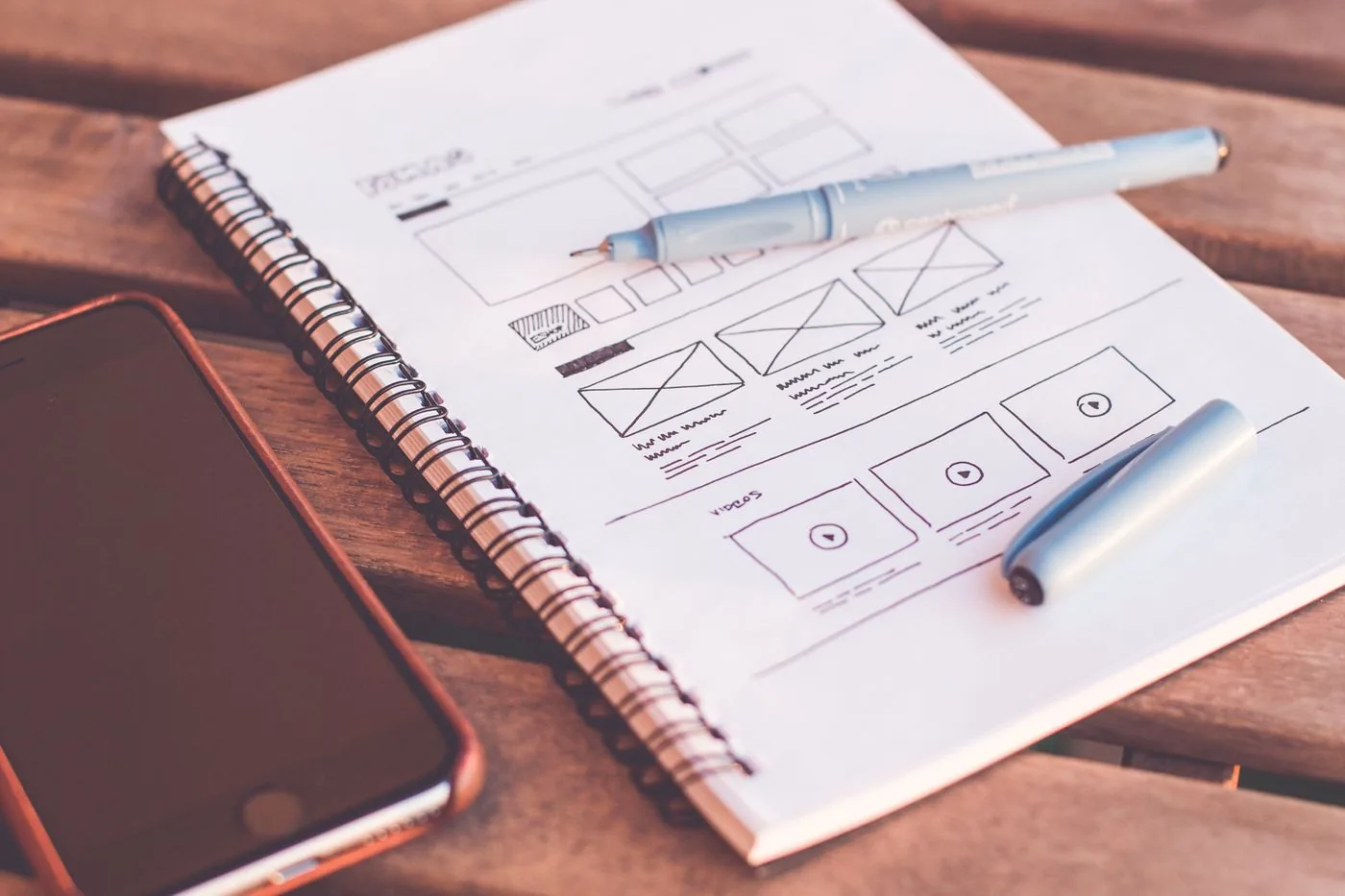
We plan pages for projects, subsystems, process, reliability and support, partners and contact. The first screen offers three paths: plan a project, partner with us and get support. Navigation stays simple, and the consultation button follows the visitor everywhere.

2
Case studies and galleries
We build project pages with a short story, a list of subsystems, scene videos and room photos. Filters let visitors sort by build type or subsystem. Captions explain what the owner sees, not what hardware was used.

3
Forms for owners and partners
The owner form captures build stage, subsystems and timeline. A partner form takes project details and a preferred contact. A support request routes existing owners to your service team. Each sends a copy to the right person and a confirmation.

4
Speed, video and accessibility
Video can slow a luxury site. We load clips on demand, use stills first, and test on common phones and slower connections. Text is readable, controls are large and the site works with keyboards and screen readers.

5
Tracking and handover
We install call and form tracking, tag partner referrals and test every path ourselves. Your team learns to add projects and edit notes. Monthly, we review which pages produced consultations and adjust the layout where visitors lose interest.
web
What Smart Home and Automation Web Design includes
Pages that make it easy to understand the offer and take the next step in Singapore
- check_circle Structure and navigation
- check_circle Project pages and galleries
- check_circle Owner, partner and support forms
- check_circle Video, speed and mobile testing
- check_circle Call and form tracking
What you can expect
- verified Visitors see whole-home projects, not a long list of devices
- verified The process and support story calms worries about reliability
- verified Builders and designers can forward a clear partner page
- verified Consultation requests arrive with build stage and subsystems
- verified Your team can add finished projects without a developer
- verified Tracking shows which pages and referrals create consultations
Deliverables you receive
inventory_2 Site structure with owner, partner and support paths on the first screen
inventory_2 Project case studies with scenes, room photos and subsystem lists
inventory_2 Process and reliability pages explaining design, pre-wire, handover and support
inventory_2 Owner, partner and support forms routed to the right person
inventory_2 Fast video loading with accessibility testing on common devices
inventory_2 Call and form tracking by page with a plain monthly summary
Technical approach
The mechanics behind Web Design for smart home and automation, explained plainly.
Video that loads on demand
Hero films look impressive but can freeze a phone. We show a still image first, load the clip when the visitor chooses to play it and compress for mobile, so the site feels smooth everywhere.
Partner referral tracking
Builders and designers often send clients to your site. We tag partner links, so you can see which referrals lead to consultations and thank the people who send them work.
Content blocks you can update
Project pages, subsystem notes and platform references sit in editable blocks. Your team can add a finished home in an afternoon, and a review reminder prompts removal of outdated product mentions.
Marketing from $500 USD a month
Month to month, no commitment. One fee covers the pages, the search and ad work and the tracking. Ad spend is separate and stays in your own accounts.
Starting at
$500 USD per month
Free to cancel with 1 month's notice. Tell us what you sell and where. We come back with what the first month would fix.
Get a Free AuditWhat $500 a month covers
Conversion-led page design
IncludedSites are designed around one obvious next step, like a call or an enquiry form.
Responsive build
IncludedCode is written to load fast and display well across phones, tablets and desktops.
Campaign landing pages
IncludedAdvertising traffic arrives on purpose-built pages carrying a matching offer.
Tracking wired up
IncludedAnalytics, form events and call tracking are configured and checked before each site publishes.
What to expect from web design
A smart home site takes a few weeks to plan, build and test, with extra time to gather project footage.
Days 1 to 14
We agree the structure, choose the projects to feature and plan filming or photography. You review layouts for the front page, a project page and the owner and partner forms before building.
Weeks 3 to 8
The site is built and tested on phones, with video loading checked on slow connections. Tracking is connected, forms are tried against your process and your team learns how to add projects.
Months 3 to 6 and beyond
After launch we watch where visitors drop off, refine the forms and add projects and subsystem pages as they are finished. We cannot promise results, but the figures will show which pages create consultations.
Other Smart Home and Automation marketing services
search SEO for Smart Home and Automation in Singapore arrow_forward query_stats SEM for Smart Home and Automation in Singapore arrow_forward ads_click Meta Ads for Smart Home and Automation in Singapore arrow_forward monitoring Analytics for Smart Home and Automation in Singapore arrow_forward handshake CRM Integration for Smart Home and Automation in Singapore arrow_forward psychology AI Optimisation for Smart Home and Automation in Singapore arrow_forward
Our team
The same people on the audit and on the work
Dino designs conversion-led pages and campaign landing pages that work on every screen, while Elmer makes sure tracking is wired up from launch.
-

Martin
Founder, strategy and audits
Writes every audit and takes every first call. On your account from day one, running growth for SMEs since 2010.
-

Yoana
Social and app development
Shapes social strategy and builds practical app experiences that turn attention into action.
-
 Leads this work
Dino
Design
Creates clear brand and conversion-focused design across landing pages, campaigns and product experiences.
-
 Leads this work
Elmer
Analytics
Connects tracking, attribution and reporting so decisions are based on revenue-quality data.
-

Mike
SEO
Owns technical, local and content SEO so the right buyers find you when demand is highest.
-

Robert
Paid media
Plans and manages paid search and social campaigns around qualified leads.
Certified and experienced
Certified where it matters. Accountable for the outcome.
Verified platform knowledge, 25+ years of hands-on experience, and an operating track record since 2010.
Google AnalyticsCertified
✓Google Tag ManagerCertified
✓Operating since 2010Proven experience
✓Frequently Asked Questions
How long does a smart home website take? expand_more
Usually several weeks, with the longest wait being project footage and owner permissions for a smart home showcase. Starting those early shortens the project.
Should we publish pricing? expand_more
Bespoke home automation projects rarely suit fixed prices, but many companies explain what affects cost and give a starting range. You choose, and anything shown must be a number you will stand behind.
Do we need a separate area for partners? expand_more
It helps if referrals matter. A partner page can hold pre-wire guides, scopes and a contact form. Builders and designers value a clear smart home resource they can share.
How should the site handle privacy? expand_more
With a plain page explaining how cameras, voice devices and remote access are set up in a smart home and who can see what. Owners worry about this, and a calm explanation builds trust.
Can existing owners ask for support on the site? expand_more
Yes. A support form on the smart home site routes them to your service team and tags the request. It also reveals customers who may want an upgrade, so it can generate project work.
Will the site help with search? expand_more
A fast, well-structured site with a page for each subsystem and project gives search engines clear signals. Ongoing search work is separate, but the structure we build supports it.
Who owns the website? expand_more
You do. We hand over logins and a brief walkthrough at launch, so your smart home business is never tied to us.
Ready to get more from Smart Home and Automation Web Design?
Get a free audit and we will show you where you are losing enquiries today.
Get a Free Audit arrow_forward
Reviewed by
Martin Marinov
Founder, HeyLead
Martin founded HeyLead and has worked in SEO and paid search for more than 20 years, across Google Ads, Microsoft Ads and organic search.