
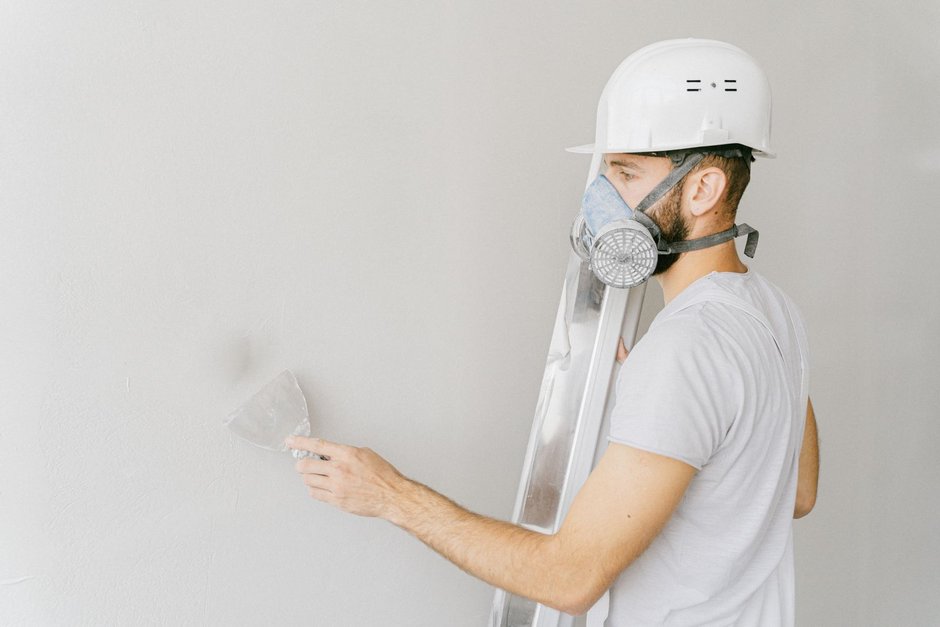
If you want more Artex work from Google, build your pages around the fact that the job starts with a test, not a quote. Homeowners in older UK houses search for an artex removal plasterer or for someone to skim over their textured ceiling. Many of them have also heard that old Artex can contain asbestos. That worry makes them hesitate to pick up the phone.
The plasterers who win these searches answer the worry before the customer asks. They have a clear page for skimming over Artex and a separate page for removal. They explain the testing step in plain words. They show real ceilings they have done and give a rough idea of price by room size.
This guide walks you through that setup in the order you would build it. It covers what each page needs, how to talk about testing without scaring people off, and how photos and pricing guides turn a nervous searcher into a booked survey.
Why Artex jobs start with a test, not a quote
Textured coatings put up before the UK asbestos ban at the end of the 1990s may contain asbestos. You can’t tell by looking at a ceiling. A swirl from the 1970s and a stipple from the 1990s can look the same and carry very different risks.
That changes how the customer searches. Someone with a cracked swirl ceiling in a 1960s semi isn’t only typing “plasterer near me”. They are typing things like “artex ceiling asbestos test”, “is my artex dangerous”, “can you skim over artex” and “artex removal cost”. They are trying to understand the job before they let anyone in the house.
If your website only says “we do ceilings, call for a quote”, you lose that person to a page that answers their question. And a quote given before anyone knows what is in the ceiling isn’t really a quote. If a test comes back positive, the method, the price and possibly who does the work all change.
So make the test the first step of your process on the website, the same way it is on the job. It shows you know what you are doing, it filters out people who only want a cheap price, and it builds trust with the careful homeowner who is usually the better customer.
Two pages, not one: skim over Artex vs removal
Skimming and removal are different jobs with different searches behind them. Put them on one “Artex ceilings” page and you rank weakly for both. Build two pages, each answering one question well, and link them to each other.
The “skim over Artex” page
The people behind this search usually want the quickest, least disruptive way to get a flat ceiling. Your page should cover:
- What skimming over Artex involves: knocking off high points where safe, sealing or bonding the surface, then applying plaster to get a smooth finish.
- Why you still test first. Preparation can disturb the coating, and you need to know what you are working with before any scraping or sanding happens.
- When skimming works and when it doesn’t. Heavy patterns, loose or flaking coating and ceilings with cracks or sagging boards may need a different approach, such as overboarding.
- How long the job takes, how much mess to expect and when they can paint.
Write the way you would explain it standing in their front room. Use the words customers use: “swirly ceiling”, “textured ceiling”, “stipple”, “Artex”. Mention the local areas you cover and the type of houses you see most, such as ex-council semis or 1970s estates.
The removal page
Removal searches come from people who want the coating gone, often because they are renovating or selling, or because they have been told the ceiling needs to come down. This page carries the most weight on safety, so it needs the most care. We cover it in the next section.
Link each page to the other with plain anchors such as “skimming over Artex instead” and “full Artex removal”. Many visitors don’t know which job they need, and the link helps them self-sort.
What goes on your artex removal plasterer page
This is the page where trust matters most. Be clear, calm and specific.
Explain the test in plain words
Most homeowners have never had anything tested. Tell them exactly what happens:
- A small sample of the coating is taken from the ceiling.
- It goes to an accredited lab, usually a UKAS-accredited one in the UK.
- The result comes back saying whether asbestos was found.
- You then recommend the method based on that result.
Say who takes the sample. It might be you, a surveyor you work with, or the homeowner using a postal kit. Say roughly how long results take in your experience, in general terms like “usually within a few working days”, and only if that is true for the labs you use. Don’t promise a turnaround you can’t control.
Say what happens if it comes back positive
This is the part most plasterers skip, and it’s where you win the customer’s confidence. Explain that a positive result doesn’t automatically mean disaster. Options can include leaving it alone, skimming over it without disturbing it, overboarding, or removal by people trained for asbestos work, following HSE guidance.
Be honest about your own role. If you don’t remove asbestos-containing coatings yourself, say so, and explain that you work alongside a specializt or come in afterwards to plaster. Don’t claim qualifications or approvals you don’t hold. Point readers to the HSE’s own guidance on textured coatings if they want to read more.
Cover the practical questions
- How the room is protected and sheeted during the job.
- Whether furniture has to come out.
- Whether they can stay in the house.
- What the ceiling looks like when you finish, and when it’s ready to paint.
End the page with one clear action, such as “Book a survey and test”. Make it easy to act: a click-to-call button, a WhatsApp button and a short form. Many UK homeowners will message you a photo of their ceiling before they ring, so invite them to.
If you want help building pages like this for your trade, see how we handle SEO for plastering businesses.
Plastering ceiling cost guides and job photos that win the click
Once the test step is clear, the next thing every searcher wants to know is cost. “Plastering ceiling cost” is a common search because people want a rough idea before they invite a tradesperson round.
Price by ceiling size, not by guesswork
You don’t need to publish exact prices. A pricing guide by ceiling size works better, because it shows you understand the job and sets expectations. Structure it like this:
- Small ceilings: bathroom, hallway, box room.
- Medium ceilings: a typical double bedroom or kitchen.
- Large ceilings: a through lounge or knocked-through ground floor.
For each, give your own “from” figure or price band, and list what pushes the price up: removal rather than skim, heavy patterns, damaged boards, high ceilings, coving, or a positive test result. Put a clear note that the test comes first and the final price follows the result.
Keep the bands honest and update them when your prices change. An out-of-date price is worse than none, because it starts the conversation with an argument.
Photos that prove you’ve done this ceiling before
A smooth ceiling photo on its own proves little. Show the before, a during shot of the sheeting or skim going on, and the after, taken from the same corner of the room. Real job photos from local houses beat stock images every time, because homeowners recognize their own type of ceiling.
Name each photo file to describe what is in it, for example “swirl-artex-ceiling-skimmed-bedroom-before.jpg”, and add alt text that says the same in plain words. Then check the pages with our image SEO checker to catch missing alt text or oversized files that slow the page down.
Add the same photos to your Google Business Profile, with a line about the job and the area. People often look at your profile photos before they ever visit your website.
Setting it all up, in the order you’d do it
Here is the build order we recommend. You or your web person can work through it over a few weeks.
- List the searches. Write down how your customers describe the job: “artex removal”, “skim over artex”, “artex ceiling asbestos test”, “plastering ceiling cost”, plus your town names. Keep it to the jobs you actually want.
- Create two separate service pages. One for skimming over Artex, one for removal. Give each its own clear title, a heading that matches the search, and a URL that says what the page is about.
- Write the testing section on both pages. Use the four-step explanation above. Keep it short on the skim page and fuller on the removal page.
- Add a pricing guide by ceiling size. Use your own bands and the list of things that change the price. Put it on both pages or on a shared ceiling cost page linked from each.
- Upload before, during and after photos. At least a few jobs per page, with descriptive file names and alt text.
- Add a short FAQ to each page. Answer the questions you hear on the phone, in your own words.
- Add structured data. Use LocalBusiness markup for your business details and FAQPage markup for the questions. Our local business schema generator builds the code for you to paste in.
- Link the pages together and from your homepage. Your main services menu should point to both, and each page should point to the other.
- Update your Google Business Profile. Add Artex skimming and Artex removal as services in your own words, post the job photos, and ask happy customers to mention the ceiling work in their reviews.
- Track the calls and messages. Note which page each lead came from, so you know which page is earning its keep.
If you’d rather have this built and looked after for you, our plastering SEO service covers the pages, the profile and the tracking.
Frequently asked questions
Should I put my Artex testing process on my website if I don’t do the testing myself? Yes. Customers want to know what happens first, not who holds the sample bag. Explain who takes the sample, where it goes and what you do with the result. Being open about working with a surveyor or a specializt builds more trust than leaving it vague.
Will mentioning asbestos on my site scare customers away? It usually does the opposite. The homeowners searching for Artex work have often already read about asbestos and are worried. A calm, plain explanation tells them you take it seriously and won’t rush in with a scraper. The ones it puts off are often the ones who wanted the job done cheaply and quickly regardless of risk.
Can I rank one page for both skim over Artex and Artex removal? You can try, but it rarely works well. The two searches come from people with different goals, and one page ends up half-answering both. Two focused pages that link to each other give Google a clear match for each search and give the customer a clear answer.
How do I show ceiling prices without locking myself into a figure? Use “from” figures or bands by ceiling size, and list the things that change the price, including a positive test result. Make it clear the final price follows a survey and test. That gives searchers enough to decide whether to contact you without boxing you in.
What photos work best for Artex jobs? Before and after shots from the same angle, plus at least one during shot showing sheeting or the skim going on. Close-ups of the original pattern help homeowners match it to their own ceiling. Use your own job photos from local houses, not stock images.
Do I need separate pages for each town I cover? Not at first. Start with strong skim and removal pages that mention the areas you cover and show jobs from those areas. Once those pages bring in work, you can look at area pages for the towns that send you the most inquiries.
Your next step
This week, take your phone to your next ceiling job and get a before, during and after photo from the same corner, then write down the three questions the homeowner asked you about Artex. Those photos and questions are the start of your skim or removal page. If you’d like us to look at how your ceiling work shows up in search, Chat with us on WhatsApp