Google AdsCertified
✓ Web Design for Loft Conversion
Web Design for Loft Conversion in the UK
A family deciding on a loft conversion visits several websites over weeks, comparing photos, process and tone. Your site has to look like a firm that finishes what it starts. We design and build a loft conversion site with fast galleries, honest process pages and a feasibility form that asks the right questions. You own it, and we track it.
For loft conversion firms whose website looks dated, hides its best projects or sends every visitor to a single contact form, and who want a site that supports a long decision.
What a loft conversion site must do
Context from how your customers search, compare and book.
Visitors come back several times. The first visit is for ideas, the second for cost and process, the third to shortlist builders. The site should serve each stage: inspiring galleries first, clear process and cost drivers next, and an easy way to request a visit when they are ready.
Gallery design matters more than usual. Large, sharp photos of finished rooms and the staircase, paired with before shots of the same loft, let a visitor imagine their own house. Each project should state the house type, the conversion type and what the owners asked for, so the page works as a case study.
The process must be easy to scan. Survey, drawings, approvals, structure, build and sign-off can be shown as a short sequence with plain explanations. Owners worry about dust, noise, scaffold and who to call when something goes wrong, so each of those has a short, honest answer on the page.
The feasibility form is the hinge. It should ask for house type, roof photo, area and a rough budget band without feeling like a quiz. A good form saves your surveyor a wasted journey and tells the owner you take their project seriously from the first contact.
Who this website serves
groups Customer segments
- person Design-and-build firms with in-house drawings and engineers
- person Builders whose best work is hidden on social media
- person Teams that offer several conversion types and need clear separation
- person Firms that want fewer unsuitable requests and more ready-to-plan owners
psychology What drives their decision
- check_circle Sharp project galleries with house type and conversion type labels
- check_circle A plain account of process, disruption and timing
- check_circle A form that asks about roof, photos and budget band
- check_circle A fast, readable site on a phone in the evening
How we deliver Web Design
A clear, repeatable process built around how loft conversion customers search and decide.
1
Portfolio and proof audit
We review your completed projects, choose the strongest, and gather photos, drawings, owner quotes and credentials. We also write down the questions owners ask during surveys, because those questions shape the structure of the site.

2
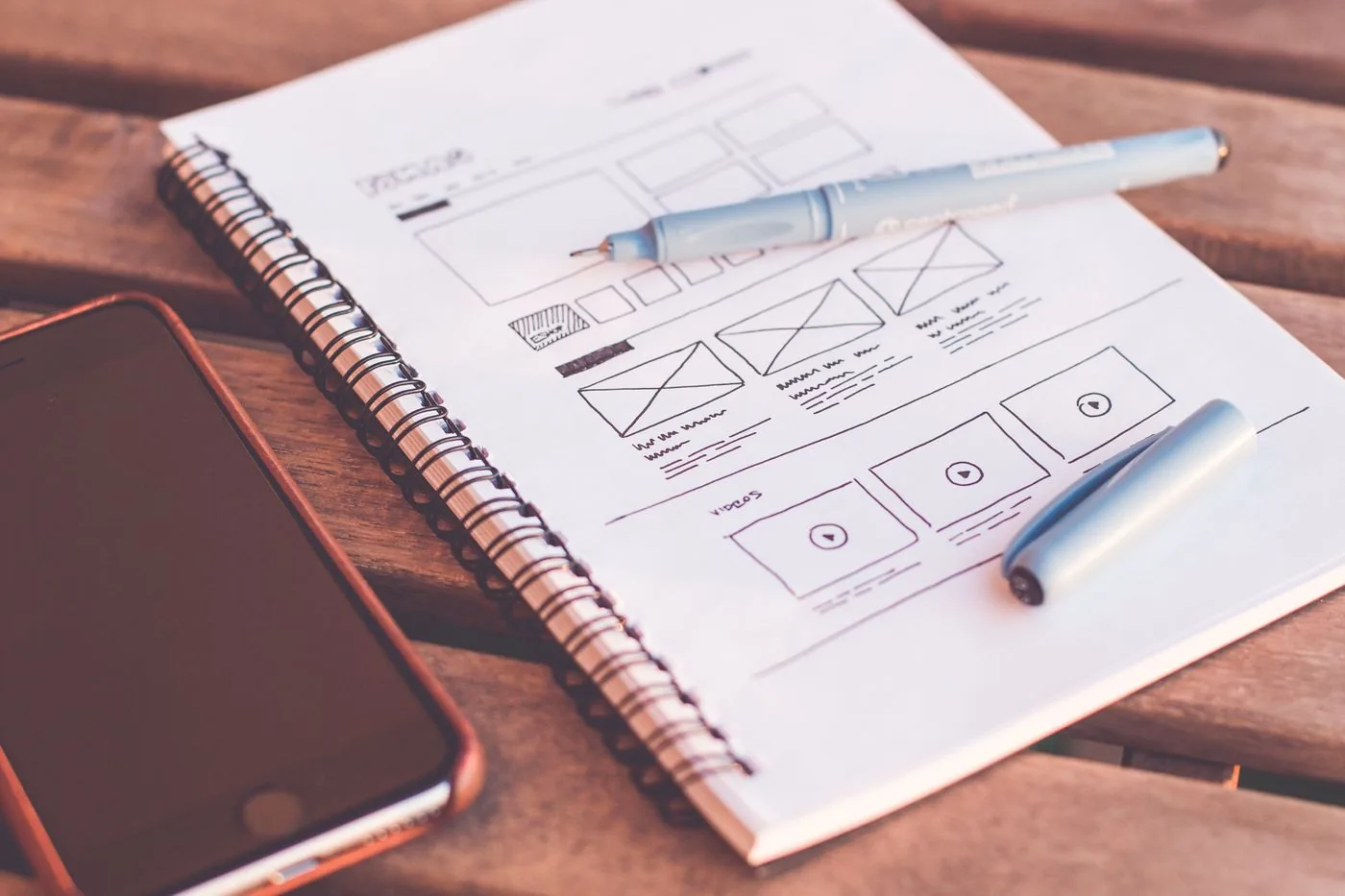
Site map and wireframes
We sketch the pages first: home, conversion types, process, projects, areas, about and feasibility request. Each page gets one job and one next step, and we agree the sketches with you before any design begins.

3
Design and build
We design in a clean style that lets your photos lead, with strong contrast and readable text. Galleries are built to load fast. You review on phone and desktop, and we adjust until the site feels like your firm.

4
Feasibility form and routing
The form collects house type, roof photo, postal area and budget band, then confirms by text. Requests route to the right surveyor and are tagged by page. Out-of-area or very small projects receive a polite reply.

5
Launch and handover
We test forms, galleries and tracking across devices, redirect old addresses and hand over logins, an editing guide and a checklist for adding new projects. A check-in after launch looks at where visitors leave and why.
web
What Loft Conversion Web Design includes
Pages that make it easy to understand the offer and take the next step in the UK
- check_circle Project audit and page plan
- check_circle Conversion type and process pages
- check_circle Photo galleries with case labels
- check_circle Feasibility form and routing
- check_circle Launch testing and handover guide
What you can expect
- verified A visitor can see finished lofts on houses like theirs within moments
- verified The process page answers questions about dust, scaffold and timing honestly
- verified Feasibility requests arrive with roof photos and a budget band
- verified Each conversion type has its own page and its own route to a visit
- verified New projects can be added by your team in minutes
- verified Calls and forms are tied to the page and the project type behind them
Deliverables you receive
inventory_2 Home page that leads with your best finished rooms and states the conversion types you build
inventory_2 Pages for dormer, hip-to-gable, mansard and roof-light conversions with photos and drawings
inventory_2 Process page showing survey, drawings, approvals, structure, build and sign-off in sequence
inventory_2 Project gallery with labelled house types, before shots and owner quotes
inventory_2 Feasibility form with roof photo upload, budget band and text confirmation
inventory_2 Tracking for calls, forms and gallery use, set up and tested before launch
Technical approach
The mechanics behind Web Design for loft conversion, explained plainly.
Gallery speed and image quality
Large photos are served at the right size for each screen and loaded as visitors scroll. Drawings stay crisp, and the first image appears quickly. This keeps the page attractive without frustrating a visitor on a home connection.
Easy project updates
Adding a completed job should take minutes. We build a simple template for projects that takes photos, house type, conversion type and a short description. New work appears in the gallery and on matching pages.
Tracking the long journey
Visitors may return many times. We tag calls and forms by page, record which gallery items were viewed and give reports over weeks, not days. You own the domain, hosting and analytics, with notes on how all of it is set up.
Marketing from $500 USD a month
Month to month, no commitment. One fee covers the pages, the search and ad work and the tracking. Ad spend is separate and stays in your own accounts.
Starting at
$500 USD per month
Free to cancel with 1 month's notice. Tell us what you sell and where. We come back with what the first month would fix.
Get a Free AuditWhat $500 a month covers
Conversion-led page design
IncludedSites are designed around one obvious next step, like a call or an enquiry form.
Responsive build
IncludedCode is written to load fast and display well across phones, tablets and desktops.
Campaign landing pages
IncludedAdvertising traffic arrives on purpose-built pages carrying a matching offer.
Tracking wired up
IncludedAnalytics, form events and call tracking are configured and checked before each site publishes.
What to expect from the website project
A loft conversion site is photo-led, so most of the early work is choosing and preparing the right projects.
Days 1 to 14
We audit your projects, collect photos and agree the page list and layout. Decisions about wording on cost, disruption and timing are settled with you at this stage.
Weeks 3 to 8
Copy, galleries and layouts are drafted and shown to you on phone and desktop. Forms and tracking are tested on real phones, and old addresses are mapped so search standing carries over to the new site.
Months 3 to 6 and beyond
After launch we study where visitors drop out, improve the form and add new projects and area pages. Results depend on traffic and the market, and are never guaranteed.
Other Loft Conversion marketing services
search SEO for Loft Conversion in the UK arrow_forward query_stats SEM for Loft Conversion in the UK arrow_forward ads_click Meta Ads for Loft Conversion in the UK arrow_forward monitoring Analytics for Loft Conversion in the UK arrow_forward handshake CRM Integration for Loft Conversion in the UK arrow_forward psychology AI Optimisation for Loft Conversion in the UK arrow_forward
Our team
The same people on the audit and on the work
Dino designs conversion-led pages and campaign landing pages that work on every screen, while Elmer makes sure tracking is wired up from launch.
-

Martin
Founder, strategy and audits
Writes every audit and takes every first call. On your account from day one, running growth for SMEs since 2010.
-

Yoana
Social and app development
Shapes social strategy and builds practical app experiences that turn attention into action.
-
 Leads this work
Dino
Design
Creates clear brand and conversion-focused design across landing pages, campaigns and product experiences.
-
 Leads this work
Elmer
Analytics
Connects tracking, attribution and reporting so decisions are based on revenue-quality data.
-

Mike
SEO
Owns technical, local and content SEO so the right buyers find you when demand is highest.
-

Robert
Paid media
Plans and manages paid search and social campaigns around qualified leads.
Certified and experienced
Certified where it matters. Accountable for the outcome.
Verified platform knowledge, 25+ years of hands-on experience, and an operating track record since 2010.
Google AnalyticsCertified
✓Google Tag ManagerCertified
✓Operating since 2010Proven experience
✓Frequently Asked Questions
What pages does a loft conversion website need? expand_more
A home page, a page for each conversion type you build, a process page, a project gallery, areas served, an about page and a feasibility request page. That covers the questions most owners ask. More can follow later.
How should we show finished projects? expand_more
Each project gets its own page with house type, conversion type, before and after photos and a short brief, with the owner's permission. These pages become a loft conversion portfolio that is easy to browse and easy to share.
What should the feasibility form ask? expand_more
House type, a roof photo, postal area, rough budget band and the best time to call. More questions than that put people off. We tune the form with your surveyors so it saves them time.
Can the loft conversion site explain planning and approvals? expand_more
It can describe the process in plain words and point to local advice for rules. We do not write legal statements. Anything about approvals comes from your team.
Can we add new loft conversion projects ourselves? expand_more
Yes. A project template takes photos and details, and we give you a short guide. If you prefer, we can add them for you each quarter.
Do we own the loft conversion website? expand_more
Yes. Domain, hosting and analytics are in your name, with notes on setup. If you change providers later, nothing is locked in.
How do you protect search standing when replacing an old loft conversion site? expand_more
We map each old address to its best new page, keep content that already earns visits and test redirects before launch. This protects the visibility your old pages have built.
Ready to get more from Loft Conversion Web Design?
Get a free audit and we will show you where you are losing enquiries today.
Get a Free Audit arrow_forward
Reviewed by
Martin Marinov
Founder, HeyLead
Martin founded HeyLead and has worked in SEO and paid search for more than 20 years, across Google Ads, Microsoft Ads and organic search.